Pre-Workout vs Energy Drinks: Which Is Better Before the Gym?
Pre-workout vs energy drinks — which one should you take before the gym? We compare ingredients, caffeine content, cost, effectiveness, and health impact to help you make the right choice in 2026.
The Gym Bag Debate: Pre-Workout Powder vs Energy Drink
Walk into any gym and you'll see both — shaker bottles filled with neon-colored pre-workout powder and tall cans of Monster, Celsius, or Red Bull. Both promise energy and focus for your workout. Both contain caffeine. Both cost money.
So which one is actually better before the gym? The answer depends on what you're optimizing for: performance, health, cost, or convenience.
Let's break it all down.
Pre-Workout vs Energy Drinks: Head-to-Head Comparison
| Category | Pre-Workout | Energy Drinks |
|---|---|---|
| Caffeine per serving | 150-400mg | 80-300mg |
| Performance ingredients | Yes (citrulline, beta-alanine, creatine) | Rarely |
| Sugar content | Usually 0g | 0-54g |
| Cost per serving | $1.00-2.50 | $2.00-3.50 |
| Convenience | Must mix with water | Ready to drink |
| Flavors | Dozens per brand | Limited per product |
| Calories | 0-15 | 0-230 |
| Third-party tested | Often | Rarely |
| Designed for exercise | Yes | No |
Ingredient Breakdown: What You're Actually Consuming
What's in Pre-Workout Powder
A quality pre-workout like Transparent Labs BULK or Gorilla Mode contains ingredients specifically chosen to improve exercise performance:
- L-Citrulline (4-9g): Boosts nitric oxide production, improves blood flow, and creates muscle pumps. This ingredient alone is the biggest advantage pre-workout has over energy drinks.
- Beta-Alanine (2-4g): Buffers lactic acid to improve muscular endurance. Helps you push through more reps before fatigue sets in.
- Caffeine (150-400mg): Increases energy, alertness, and reduces perceived exertion during training.
- L-Theanine (100-350mg): Smooths out caffeine's effects for calm, focused energy without jitters.
- Creatine (1-3g): Supports strength and power output over time.
- Alpha-GPC or L-Tyrosine: Enhances mental focus and mind-muscle connection.
What's in Energy Drinks
A typical energy drink (Monster, Red Bull, Celsius, Bang) contains:
- Caffeine (80-300mg): The primary active ingredient. This is what provides the energy boost.
- Sugar (0-54g): Original formulas like Red Bull and Monster contain 27-54g of sugar per can. Sugar-free versions use artificial sweeteners.
- Taurine (1-2g): An amino acid that may reduce fatigue, though the dose in energy drinks is modest.
- B Vitamins: Marketing inclusion — most people already get sufficient B vitamins from food, so supplementing provides minimal benefit.
- Carbonation: The fizz is refreshing but can cause bloating during training.
- Proprietary "Energy Blends": Many energy drinks use vague proprietary blends that make it impossible to know exact ingredient doses.
The Verdict on Ingredients
Pre-workout wins this category decisively. Energy drinks are essentially caffeine + sugar (or sweetener) + marketing. Pre-workouts contain caffeine PLUS multiple research-backed performance ingredients that directly improve your workout. The citrulline, beta-alanine, and creatine in pre-workouts have zero equivalent in energy drinks.
Caffeine Content: How They Compare
Caffeine is the one ingredient both products share. Here's how popular options compare:
| Product | Caffeine | Type |
|---|---|---|
| Red Bull (8.4 oz) | 80mg | Energy drink |
| Monster Original (16 oz) | 160mg | Energy drink |
| Celsius (12 oz) | 200mg | Energy drink |
| Bang Energy (16 oz) | 300mg | Energy drink |
| C4 Original | 150mg | Pre-workout |
| Alani Nu | 200mg | Pre-workout |
| Total War | 250mg | Pre-workout |
| RYSE Loaded Pre | 300mg | Pre-workout |
| Legion Pulse | 350mg | Pre-workout |
| Mr. Hyde | 410mg | Pre-workout |
Pre-workouts generally offer a wider range of caffeine doses, making it easier to find one that matches your tolerance. Energy drinks cluster around 150-300mg with less variety.
Top Picks From This Article
As an Amazon Associate we earn from qualifying purchases.
Performance: Which One Makes You Train Better?
Pre-Workout Performance Benefits
Research consistently shows that pre-workout supplements improve multiple aspects of exercise performance:
- Increased reps per set: Citrulline and beta-alanine directly improve muscular endurance
- Better pumps and blood flow: Citrulline and nitric oxide boosters enhance nutrient delivery to working muscles
- Improved focus: Nootropic ingredients like Alpha-GPC create a sharper mind-muscle connection
- Greater power output: Creatine and betaine support strength and explosive performance
- Reduced perceived exertion: Caffeine + L-theanine helps hard efforts feel more manageable
A study published in the *Journal of the International Society of Sports Nutrition* found that multi-ingredient pre-workout supplements significantly improved muscular endurance, power output, and training volume compared to placebo.
Energy Drink Performance Benefits
Energy drinks primarily offer:
- Increased alertness: Caffeine provides the core energy boost
- Reduced fatigue perception: You feel less tired, which can help with motivation
- Modest endurance improvement: Caffeine alone has ergogenic effects
That's essentially it. Energy drinks provide caffeine — which is genuinely beneficial for exercise — but nothing else that meaningfully improves gym performance.
The Verdict on Performance
Pre-workout is significantly better for gym performance. You get the same caffeine benefits as an energy drink PLUS citrulline for pumps, beta-alanine for endurance, and focus-enhancing nootropics. The difference in workout quality is noticeable from your first session.
Cost Comparison: Which Is Cheaper?
Let's do the math on daily use:
| Product | Price | Servings | Cost Per Use |
|---|---|---|---|
| C4 Original | $29.99 | 30 | $1.00 |
| Nitrosurge | $29.99 | 30 | $1.00 |
| Transparent Labs BULK | $49.99 | 30 | $1.67 |
| Red Bull (8.4 oz) | ~$2.50 | 1 | $2.50 |
| Monster (16 oz) | ~$3.00 | 1 | $3.00 |
| Celsius (12 oz) | ~$2.50 | 1 | $2.50 |
| Bang Energy (16 oz) | ~$2.75 | 1 | $2.75 |
Pre-workout is significantly cheaper. Even premium pre-workouts at $1.50-2.00 per serving undercut most energy drinks. Budget pre-workouts like C4 Original and Nitrosurge cost roughly $1.00 per serving — about 60% less than an energy drink.
Over a year of 5x/week gym sessions:
- Budget pre-workout: ~$260/year
- Energy drinks: ~$650-780/year
That's $400+ in annual savings by switching to pre-workout powder.
Health Considerations: Sugar, Calories, and Ingredients
The Sugar Problem with Energy Drinks
Original (non-zero) energy drinks contain significant sugar:
- Red Bull Original: 27g sugar, 110 calories
- Monster Original: 54g sugar, 230 calories
- Rockstar Original: 63g sugar, 270 calories
Drinking one of these before every workout adds 135-315g of sugar per week to your diet. That's 7,000-16,000 extra sugar calories per year — enough to gain 2-4.5 lbs of fat annually from your "workout supplement" alone.
Sugar-free versions eliminate this problem but use artificial sweeteners like sucralose and acesulfame potassium, which some people prefer to avoid.
Most pre-workouts contain 0g sugar and 0-15 calories per serving, making them the clearly healthier choice from a caloric standpoint.
Carbonation and Bloating
Energy drinks are carbonated. Drinking a fizzy beverage before squats, deadlifts, or any intense exercise can cause:
- Stomach bloating and discomfort
- Burping during sets (not ideal mid-rep)
- Reduced fluid absorption compared to flat water
Pre-workout powder mixed with flat water causes none of these issues.
Artificial Ingredients
Both categories contain artificial ingredients, but pre-workouts generally offer more "clean" options:
- Legion Pulse uses only natural sweeteners and flavors
- Alani Nu is vegan, gluten-free, and sugar-free
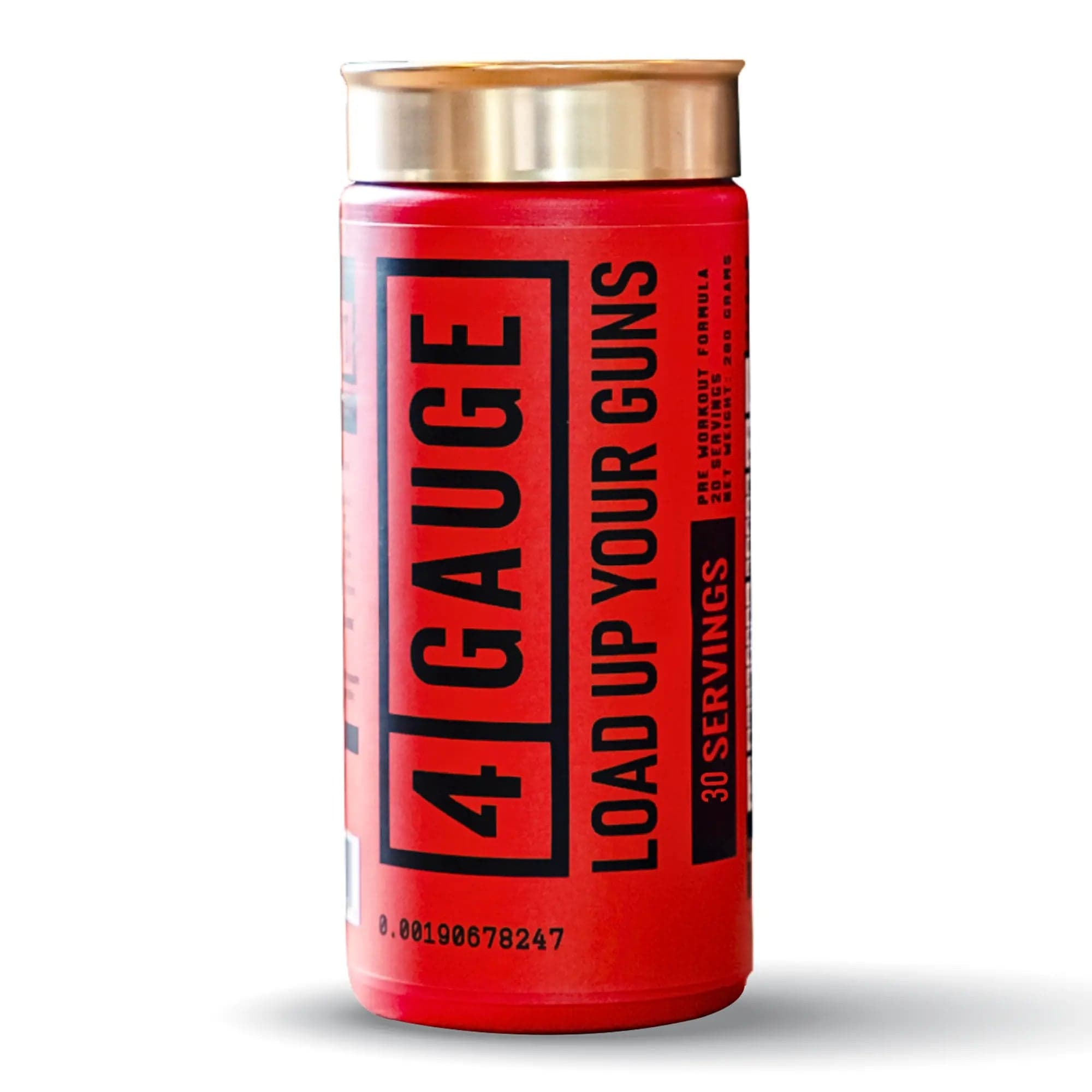
- 4 Gauge contains no artificial sweeteners or dyes
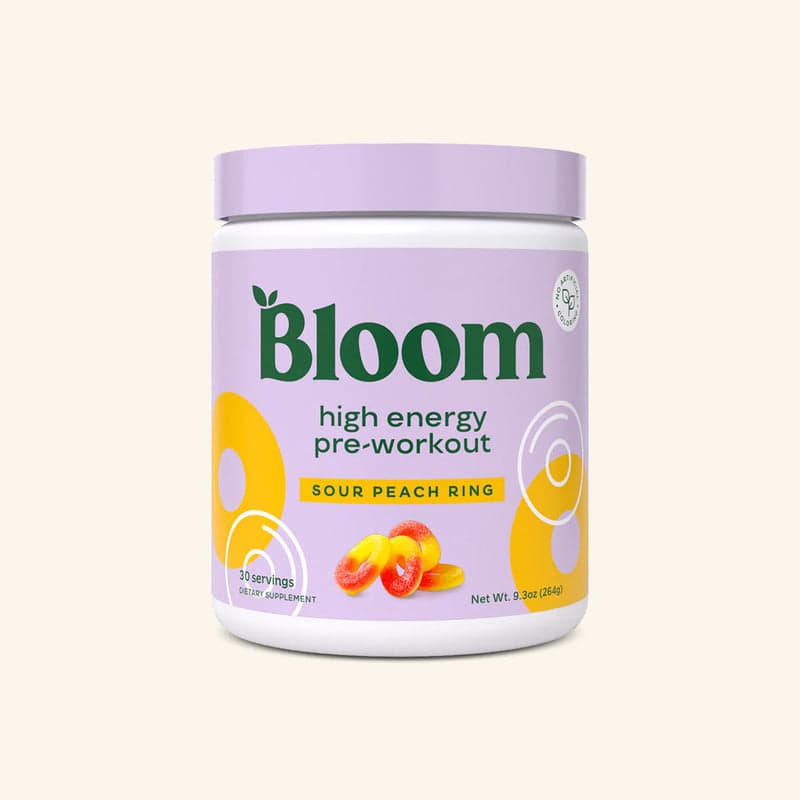
- Bloom Pre-Workout includes functional mushroom extracts
Clean energy drink options exist (Celsius, FOCUSAID) but are more expensive and still lack performance ingredients.
Convenience: The One Area Energy Drinks Win
Let's give credit where it's due: energy drinks are more convenient. You grab a can from a gas station, crack it open, and drink. No shaker bottle, no measuring scoops, no water needed.
Pre-workout requires:
- A shaker bottle or cup
- Measuring a scoop
- Adding water
- Shaking/stirring
- Cleaning the bottle after
For some people — especially those with busy schedules or who work out at lunch — this inconvenience is a real factor. If convenience is your top priority and you don't care about performance ingredients, an energy drink is the easier option.
However: Many companies now sell pre-workout in RTD (ready-to-drink) cans or single-serve stick packs that close the convenience gap significantly.
When Energy Drinks Make Sense
Energy drinks aren't always the wrong choice. They make sense when:
- You forgot your pre-workout and need something from a convenience store
- You're not training seriously — just doing light cardio or a casual gym session
- You only care about energy, not pumps, endurance, or focus
- You're traveling and don't have a shaker bottle
- You prefer the taste and experience of a cold, carbonated drink
When Pre-Workout Is the Better Choice
Pre-workout is the better option when:
- You want to maximize gym performance — the added ingredients make a real difference
- You train regularly (3+ times per week) — the cost savings add up fast
- You care about what's in your supplements — transparent labels and clinical doses
- You're following a structured program — the performance benefits compound over time
- You want to avoid sugar and carbonation — cleaner option for serious training
- You're cutting or watching calories — zero sugar, minimal calories
What About Celsius, Alani Nu Energy, and "Fitness" Energy Drinks?
The fitness energy drink category (Celsius, Alani Nu Energy, GHOST Energy, C4 Energy) bridges the gap between traditional energy drinks and pre-workouts. These products typically:
- Have zero sugar
- Contain 200-300mg caffeine
- Include some performance ingredients (though in lower doses than powder)
- Cost $2.00-3.00 per can
They're better than traditional energy drinks for gym use, but still inferior to pre-workout powder because:
- Lower ingredient doses — can format limits how much active ingredient can be included
- Higher cost — $2.50/can vs $1.00-1.50/scoop for equivalent or better formula
- Still carbonated — bloating risk remains
If you're choosing between a Monster and a Celsius before the gym, pick the Celsius. But if you're choosing between a Celsius and a scoop of Transparent Labs BULK, the powder wins on performance, cost, and ingredient quality.
The Bottom Line: Pre-Workout vs Energy Drinks
Pre-workout powder is better for the gym in almost every way:
- Performance: Pre-workout contains multiple exercise-enhancing ingredients that energy drinks lack entirely
- Cost: Pre-workout costs 40-60% less per serving
- Health: Zero sugar, zero carbonation, more transparent ingredients
- Customization: Wide range of caffeine levels and formula types (stim-free, high-stim, pump-focused, nootropic)
Energy drinks win only on convenience — grab and go with no preparation needed.
If you train regularly and care about performance, the choice is clear. A quality pre-workout like Transparent Labs BULK, Gorilla Mode, or even a budget option like Nitrosurge will deliver better workouts, save you money, and put cleaner ingredients in your body.
Save the energy drinks for road trips. Bring pre-workout to the gym.
Recommended Pre-Workouts
As an Amazon Associate we earn from qualifying purchases.
Related Articles
Creatine vs Pre-Workout: What's the Difference? (Which Do You Actually Need?)
Creatine and pre-workout do completely different things. One builds muscle over time, one boosts performance acutely. Here's how to decide which — or both — is right for you.
February 22, 2026
Read more →
Pre-Workout on an Empty Stomach: Should You? (The Real Answer)
Taking pre-workout on an empty stomach means faster absorption and stronger effects — but also higher risk of nausea and GI issues. Here's the full breakdown.
February 21, 2026
Read more →