Pre-Workout on an Empty Stomach: Should You? (The Real Answer)
Taking pre-workout on an empty stomach means faster absorption and stronger effects — but also higher risk of nausea and GI issues. Here's the full breakdown.
You wake up early. The gym is calling. You grab your pre-workout, drink it fast, and hit the road on an empty stomach. Fifteen minutes later — boom, you're wired. But halfway through your warm-up, your stomach starts turning.
Sound familiar?
The empty stomach question is one of the most common pre-workout dilemmas. Here's the real answer: it depends on the formula and the person, and getting it right makes a significant difference to both your performance and your comfort.
What Happens When You Take Pre-Workout Fasted
When your stomach is empty, pre-workout ingredients absorb significantly faster. The main mechanisms:
- Faster gastric emptying — With no food competing for absorption, your stomach moves contents to the small intestine more quickly
- No nutrient competition — Amino acids and stimulants don't compete with food proteins for transporter sites
- Higher peak concentration — Caffeine reaches peak plasma levels faster (~15–20 minutes fasted vs. 30–45 minutes fed)
The result: everything hits harder, earlier.
This sounds great on paper — and for many people, it is. But "hits harder" also means "side effects hit harder."
The Benefits of Training Fasted with Pre-Workout
Faster Onset
The most practical benefit. If you're training early or have limited time, fasted pre-workout gets you ready faster. Peak performance arrives in 15–20 minutes instead of 30–45.
Stronger Stimulant Effect
For people who have built caffeine tolerance, fasted dosing can partially compensate. The higher peak concentration effectively delivers a stronger dose without consuming more product.
Easier on Scheduling
Morning athletes often don't have time for a meal + digestion window before training. Fasted pre-workout removes the need to wake up earlier just to eat.
Potential Fat Oxidation Benefit
Fasted training (without pre-workout) is already associated with slightly higher fat oxidation rates. Pre-workout's caffeine further increases lipolysis. If fat loss is a goal and you're training cardio, fasted AM sessions with a caffeine-based pre-workout can be effective.
The Risks of Training Fasted with Pre-Workout
Nausea
This is the #1 complaint. Beta-alanine, niacin, and high-dose citrulline can all irritate an empty stomach. Caffeine also stimulates gastric acid production — unpleasant when there's nothing to buffer it.
Who's most at risk: People taking formulas with niacin flush, high beta-alanine doses, or 300mg+ caffeine.
Jitteriness and Anxiety
Caffeine's effects are significantly amplified on an empty stomach. Someone who takes 200mg post-meal without issue might find the same dose on an empty stomach causes hand tremors, elevated heart rate, or anxiety.
Signs you're overdoing it: heart pounding before you've lifted a single plate, inability to focus on the workout, feeling unwell rather than energized.
Performance Dip Mid-Workout
If you're training for more than 45–60 minutes, fasted sessions can hit a wall — not from lack of pre-workout, but from low glycogen stores. Pre-workout handles the neural/energy side, but your muscles still need fuel. This is less relevant for short, intense sessions.
Crash
Fast absorption means fast peak, which means faster decline. Fasted pre-workout often produces a sharper crash than fed dosing, especially with formulas that don't include extended-release caffeine or L-theanine.
What to Do: The Middle-Ground Solutions
You don't have to choose between a full meal and nothing. These approaches get the fast absorption benefit while protecting your stomach:
Option 1: Light Snack (Best for Most People)
A small, fast-digesting snack 20–30 minutes before your pre-workout:
- Banana — fast carbs, easy on the stomach, natural potassium
- Rice cake + honey — minimal fat/protein, absorbs fast
- Small handful of grapes or berries — quick carbs, minimal volume
This buffers your stomach without significantly slowing caffeine absorption (15–20% slower at most), and prevents nausea almost completely.
Option 2: Take Pre-Workout Mid-Warm-Up
Rather than taking it 30 minutes before arriving, take it after you arrive and start your warm-up. By the time you're through mobility work and your first warm-up sets (10–15 minutes), the pre-workout is kicking in for your working sets.
Option 3: Choose a Stomach-Friendly Formula
Some formulas are much gentler than others on an empty stomach:
- [Transparent Labs BULK](/products/transparent-labs-bulk) — No niacin flush, no harsh stimulants, L-theanine smooths caffeine onset. One of the most stomach-friendly premium options.
- [Gorilla Mode](/products/gorilla-mode) — No beta-alanine, no niacin. The citrulline load can be rough for some, but most people handle it fine fasted.
- [Jacked Factory Nitrosurge](/products/nitrosurge) — Clean, simple formula with moderate caffeine. Very few complaints about stomach issues even fasted.
Formulas to be careful with on an empty stomach:
- High beta-alanine doses (4g+) — more likely to cause GI distress fasted
- Niacin-containing formulas — flush is more intense without food
- 300mg+ caffeine — risk of anxiety and nausea climbs significantly fasted
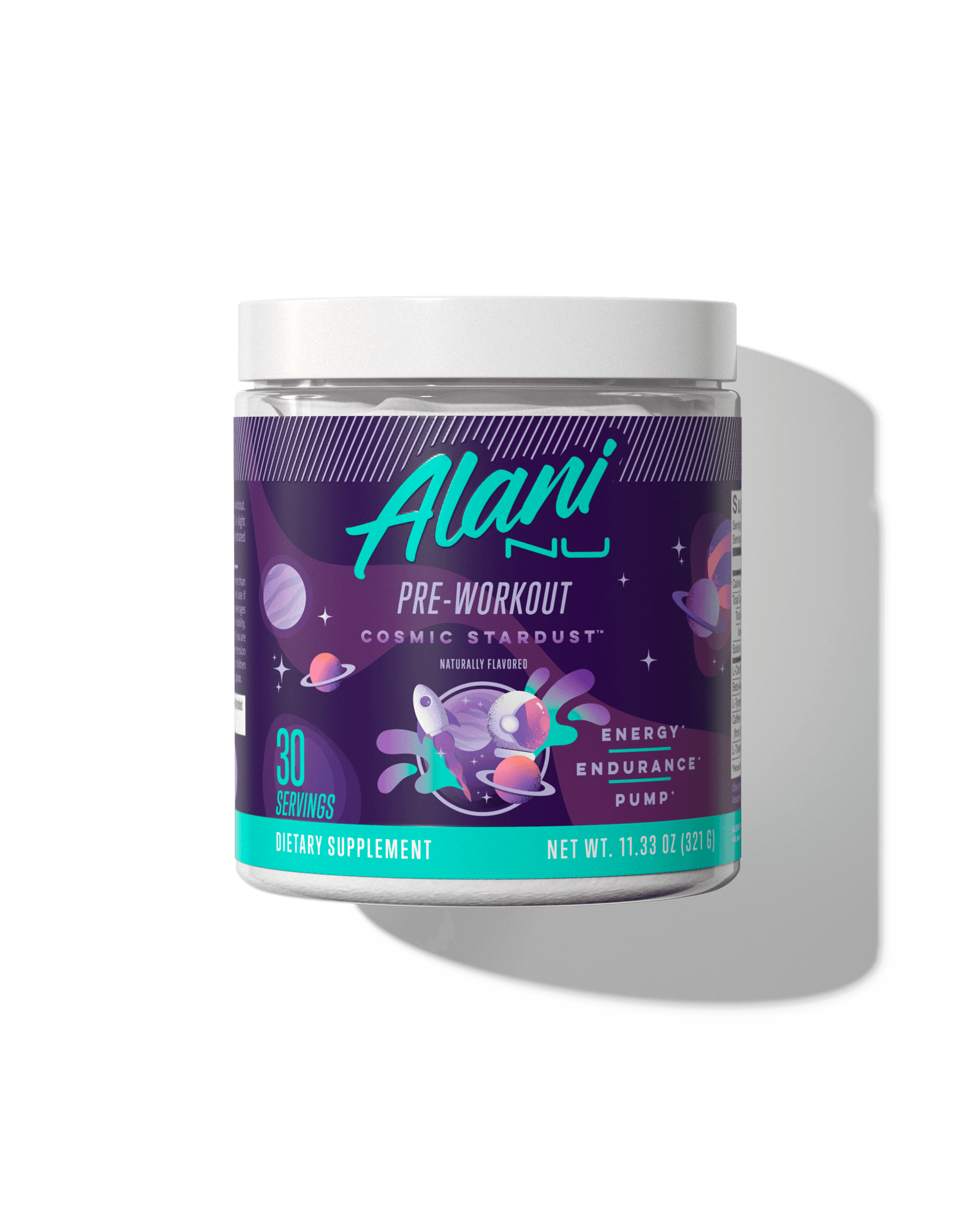
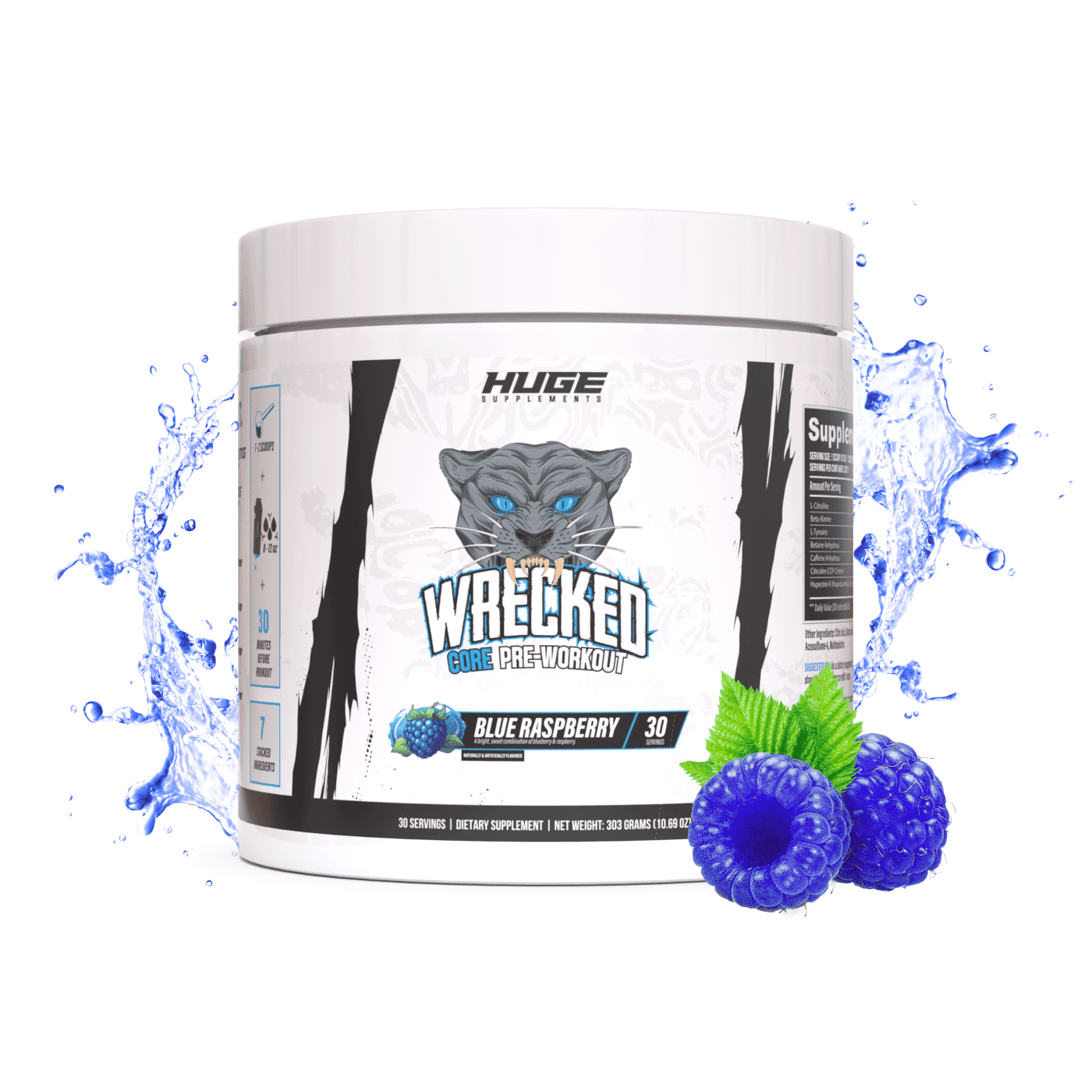
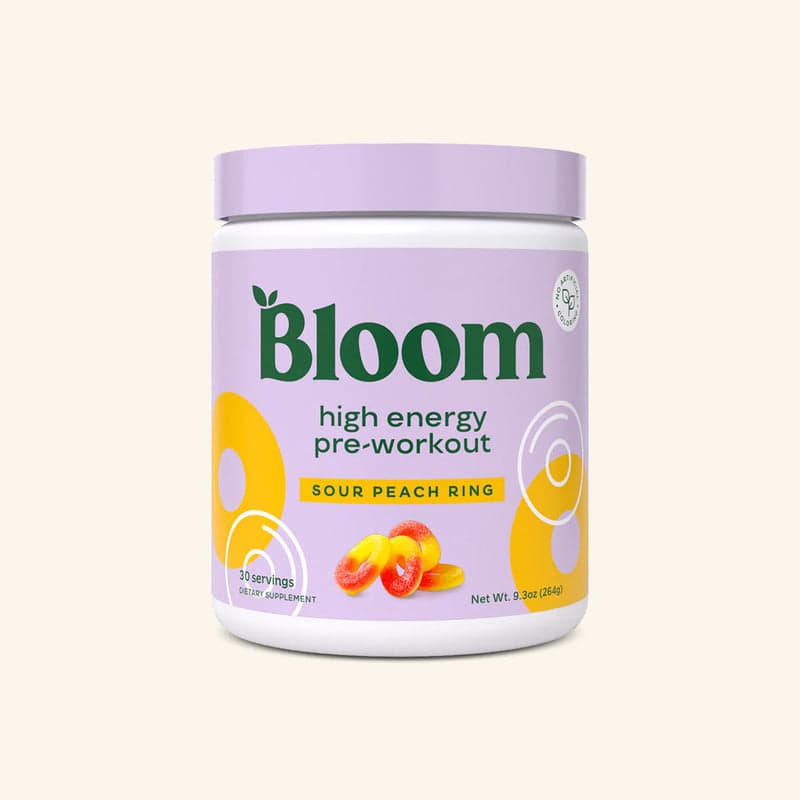
Top Picks From This Article
As an Amazon Associate we earn from qualifying purchases.
Who Should NOT Take Pre-Workout Fasted
- Beginners — Your tolerance isn't established. Fasted dosing makes the first experience much harsher.
- Anyone with a sensitive stomach — If you typically get GI issues from coffee on an empty stomach, pre-workout will be worse.
- People prone to anxiety — Caffeine's anxiogenic effects are amplified fasted.
- Anyone with blood sugar regulation issues — Caffeine can cause blood sugar fluctuations that are more pronounced when fasted.
Does Fasted Training Actually Improve Fat Loss?
This is the bigger question behind many fasted morning workouts.
The research is nuanced. Yes, fasted cardio burns more fat during the session. But total fat loss over 24 hours is similar between fasted and fed training when calories are controlled. The difference is mostly negligible for most people.
Where fasted training genuinely helps:
- Scheduling convenience for morning athletes
- Avoiding GI discomfort during intense exercise (heavy food before training is often worse than no food)
- Preference and mental focus (some people genuinely perform better fasted)
Where it doesn't help:
- Building maximum muscle mass (glycogen availability matters for heavy compound lifting)
- Long endurance sessions (60+ minutes)
- Beginners still figuring out pre-workout tolerance
The Short Answer
For most people: A small snack + pre-workout 20–30 minutes before training is the sweet spot. You get 80% of the fast absorption with none of the nausea.
For experienced users with no GI issues: True fasted pre-workout is fine. Stick to moderate caffeine doses (150–200mg) and avoid formulas with niacin or high beta-alanine.
For beginners: Don't start fasted. Eat something first, even just a banana, until you know how your body responds to the formula.
Frequently Asked Questions
Can pre-workout on an empty stomach be dangerous?
For healthy adults, it's not dangerous but it can be very uncomfortable. High-caffeine formulas on an empty stomach can cause elevated heart rate, anxiety, and nausea. If you have any heart conditions or are caffeine-sensitive, the amplified absorption makes this riskier. Start with food until you know your tolerance.
Does taking pre-workout on an empty stomach make it more effective?
Yes and no. The faster onset and higher peak concentration feel more intense, which many interpret as "more effective." But if the stronger effect causes discomfort, your workout quality may actually suffer. Effectiveness ultimately comes down to workout performance, not how intense the feeling is.
How long should I wait after eating to take pre-workout?
A small snack (banana, rice cake): wait 15–20 minutes. A moderate meal: wait 45–60 minutes. A large meal: wait 90+ minutes. The goal is to avoid competing digestion, not necessarily a completely empty stomach.
What pre-workout is best on an empty stomach?
Look for: no niacin flush, moderate caffeine (150–200mg), L-theanine included, no excessive beta-alanine. Transparent Labs BULK and Nitrosurge are consistently well-tolerated on an empty stomach.
Recommended Pre-Workouts
As an Amazon Associate we earn from qualifying purchases.
Related Articles
Creatine vs Pre-Workout: What's the Difference? (Which Do You Actually Need?)
Creatine and pre-workout do completely different things. One builds muscle over time, one boosts performance acutely. Here's how to decide which — or both — is right for you.
February 22, 2026
Read more →
Best Pre-Workout for Pump (2026): Top 7 for Skin-Splitting Results
Looking for the best pre-workout for pump? We ranked the top 7 pump-focused pre-workouts of 2026 by citrulline dose, nitric oxide ingredients, and real-world results. Find your perfect pump pre-workout.
February 19, 2026
Read more →