Creatine vs Pre-Workout: What's the Difference? (Which Do You Actually Need?)
Creatine and pre-workout do completely different things. One builds muscle over time, one boosts performance acutely. Here's how to decide which — or both — is right for you.
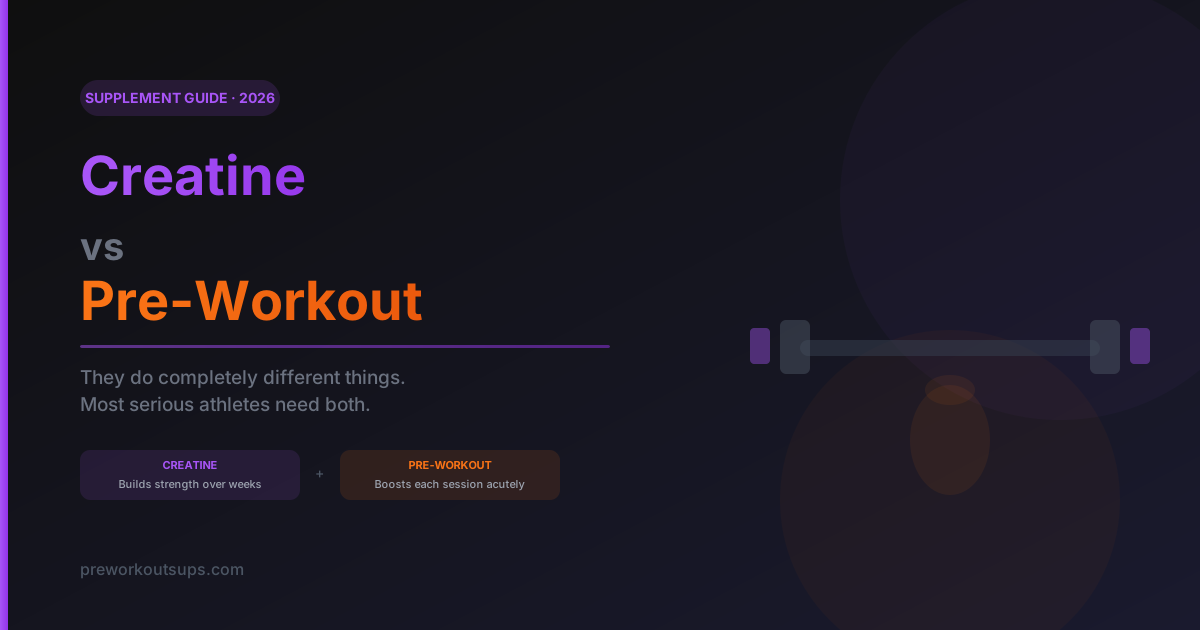
Creatine and pre-workout are two of the most popular sports supplements — and they're frequently confused. People ask which one to take, whether they can combine them, and whether one replaces the other.
The answer is simple once you understand what each actually does: they work completely differently and most serious athletes benefit from both.
The Core Difference
Pre-workout: Acute performance enhancer. You take it before a session, it works during that session, then it's gone.
Creatine: Chronic strength builder. You take it daily, it builds up in your muscles over weeks, and the benefit is long-term — more strength, more muscle, better recovery.
That's the fundamental distinction. One is a daily compound that accumulates and builds. The other is a situational tool you use when training.
What Pre-Workout Actually Does
Pre-workout is a multi-ingredient formula designed to sharpen your performance in the next 1–3 hours. The key mechanisms:
Caffeine (the main driver in most formulas) blocks adenosine receptors in your brain, reducing the perception of fatigue and effort. The same workout feels easier. You push harder without realizing it.
L-Citrulline increases nitric oxide production, which dilates blood vessels. More blood reaches working muscles — better pumps, better nutrient delivery, better endurance on high-rep sets.
Beta-Alanine buffers lactic acid accumulation in muscle tissue, delaying the burn on high-rep sets (8–20 reps). The tingling sensation is a side effect, not the benefit.
L-Theanine (when included) pairs with caffeine to smooth out jitters and produce a more focused, calm energy rather than a wired, anxious feeling.
The key point: none of these build muscle or strength over time on their own. They make your training session better, which indirectly supports muscle and strength gains. But skip the pre-workout for a week and your strength doesn't drop — your workout just feels harder.
What Creatine Actually Does
Creatine is the most researched supplement in sports science with hundreds of clinical trials behind it. It works by a different mechanism entirely.
Your muscles store energy as ATP (adenosine triphosphate). During explosive, high-intensity efforts (lifting, sprinting, jumping), you burn through ATP extremely fast. Creatine phosphate donates a phosphate group to regenerate ATP — meaning your muscles can maintain high-force output slightly longer before fatiguing.
The practical result: You can squeeze out 1–3 more reps at near-maximal effort before hitting failure. Over months of training, those extra reps compound into meaningfully more muscle and strength.
Creatine also pulls water into muscle cells (intramuscular hydration), which:
- Increases muscle cell volume (looks bigger)
- Triggers anabolic signaling pathways
- Improves recovery between sets and training sessions
Unlike pre-workout, creatine is cumulative. You don't feel it after one dose. You take it daily (3–5g), it saturates your muscle tissue over 2–4 weeks, and then the strength increases become measurable. Stop taking it for a few weeks and your stores deplete — the strength gain gradually disappears.
Head-to-Head Comparison
| Pre-Workout | Creatine | |
|---|---|---|
| When effects occur | Same session (30–90 min) | Over 2–4 weeks of daily use |
| Primary benefit | Energy, focus, endurance, pump | Strength, power, muscle volume |
| Research support | Strong for caffeine, citrulline | Extremely strong (most studied supplement) |
| Side effects | Jitters, crash, nausea, sleep disruption | Mild water retention, minor GI in some |
| Daily use needed | No (cycle as needed) | Yes (3–5g every day) |
| Reversible? | Yes (effects gone in hours) | Yes (stores deplete over 2–4 weeks without it) |
| Cost/month | $30–$55 (30–40 servings) | $15–$25 (typically 60+ days supply) |
| Best for | Acute workout sessions | Long-term strength and muscle building |
Top Picks From This Article
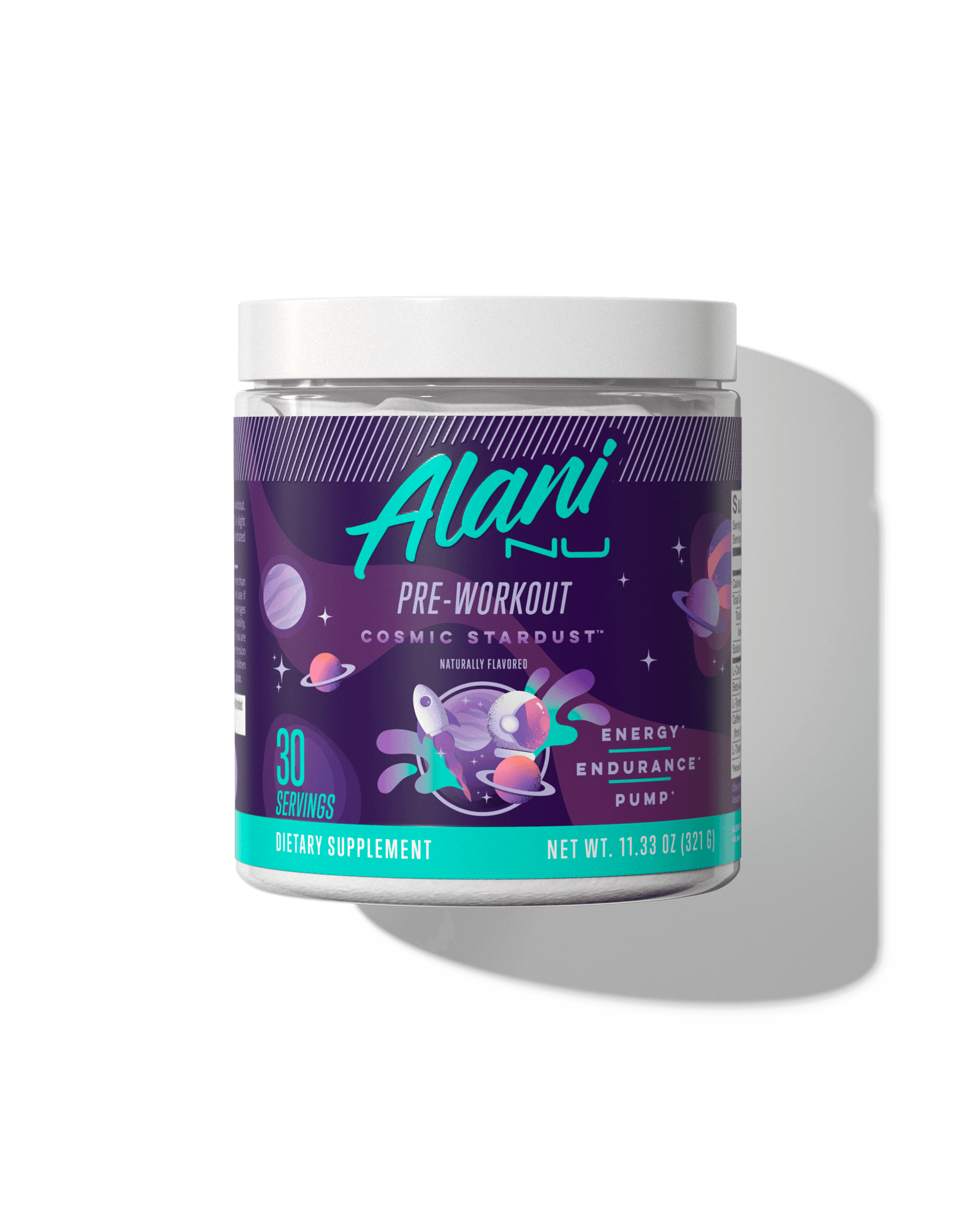
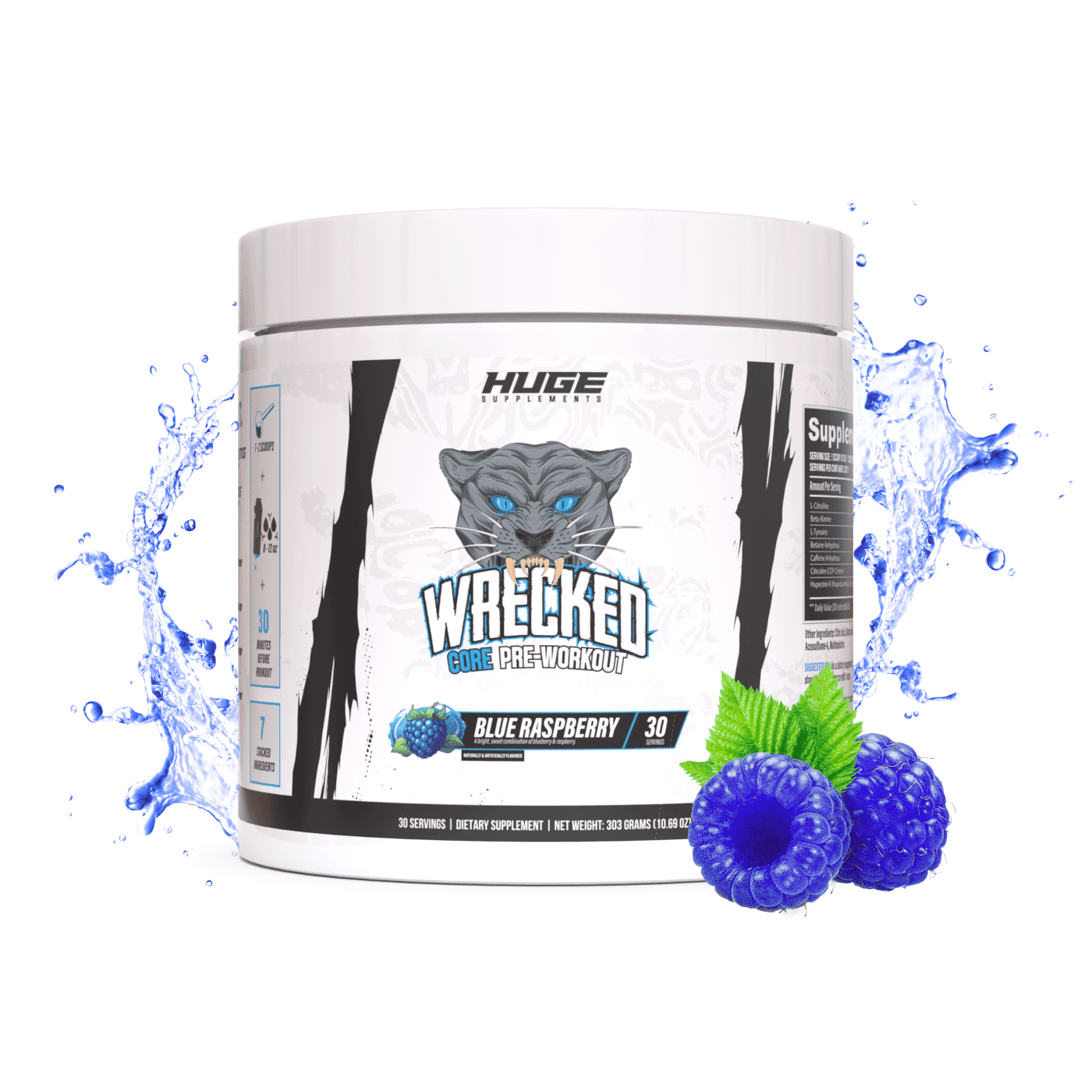
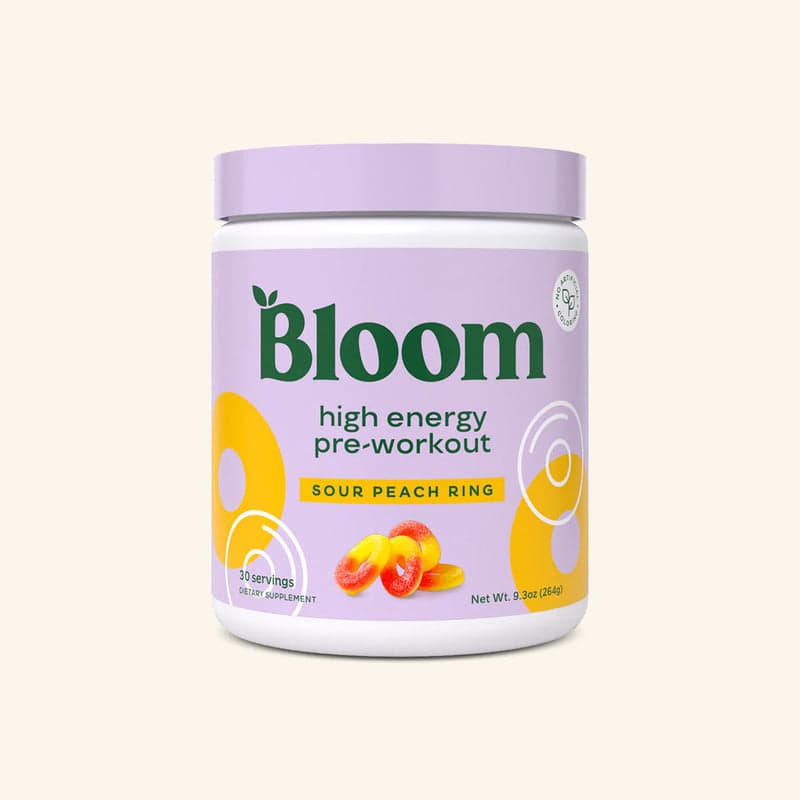
As an Amazon Associate we earn from qualifying purchases.
Can You Take Both Together?
Yes — and you should if your budget allows. They complement each other without negative interactions.
Creatine + pre-workout = better training + better long-term adaptation.
The pre-workout helps you train harder in the moment. The creatine ensures each hard session is producing the maximum muscle-building stimulus. They stack perfectly.
Many pre-workout formulas already include creatine (typically 2–5g per serving). If yours does, check the dose — if it's 3g+, you may already be getting a useful daily creatine dose from your pre-workout alone.
Top pre-workouts with meaningful creatine doses:
- Pre-Kaged Elite — Creatine HCl (patented, high bioavailability form)
- Transparent Labs BULK — Creatine monohydrate at a solid dose
- Gorilla Mode — 5g creatine monohydrate
If your pre-workout doesn't include creatine (or has less than 3g), add a standalone creatine monohydrate supplement. It's inexpensive, flavorless, and mixes into anything.
Which Should You Buy First?
This depends on your starting point:
If you're a beginner (under 1 year of consistent training):
Start with creatine. Here's why:
Beginners are in the rapid adaptation phase where nearly everything produces gains. The most important thing is training consistently and progressively, not optimizing each session's performance. Creatine accelerates the strength gains you're already making. Pre-workout, if anything, can complicate the beginner experience by masking signs of overtraining or true fatigue.
Start with 3–5g of creatine monohydrate daily. Cheap, safe, highly effective. Add pre-workout after 3–6 months when your training is consistent.
If you've been training 1+ years:
Both. At this point you likely have established training habits, caffeine tolerance, and a good understanding of your body. Both supplements provide meaningful value.
If budget is tight, still prioritize creatine for the long-term strength benefit, and use pre-workout only on days when you're dragging.
If your goal is weight loss:
Neither is necessary, but both can help. Creatine supports muscle preservation while cutting (important — you want to lose fat, not muscle). Pre-workout aids caloric burn and workout intensity during a deficit when energy is naturally lower. Both are reasonable choices.
Note: creatine causes 1–3 lbs of water retention in most people. This is intramuscular water (muscle fullness, not fat) and is harmless, but you'll see the scale go up slightly.
If your goal is endurance sports:
Pre-workout is more relevant. Creatine's primary benefit is in high-intensity, explosive efforts (0–30 second maximum efforts). For endurance athletes (running, cycling), the benefit is smaller and the water retention can feel like unwanted weight. Pre-workout's caffeine, on the other hand, has strong evidence for endurance performance.
Creatine Loading: Necessary or Overkill?
You'll see recommendations to do a "loading phase" — 20g/day for 5 days to saturate muscles faster. This does work: you reach full saturation in ~1 week vs. 3–4 weeks with standard 3–5g daily.
The honest take: Loading is optional. If you're in a rush (competition coming up, want results faster), load. If you're taking it long-term with no deadline, just take 3–5g daily and wait it out. You'll end up at the same saturation level either way.
Loading side effects: higher rates of GI distress (bloating, cramps) during the loading week. Taking it with food minimizes this.
Which Creatine Form Should You Buy?
Keep it simple: creatine monohydrate. It's the most studied, cheapest, and just as effective as fancy forms like Kre-Alkalyn, creatine HCl, or buffered creatine. Don't pay extra for marketing.
If you get GI issues with monohydrate, creatine HCl is a smaller-particle alternative that some people find easier to digest.
The Bottom Line
- Pre-workout = acute performance tool. Takes effect in 30 minutes, gone by the time you're done training.
- Creatine = long-term strength builder. Daily habit, 2–4 weeks to saturation, produces real and measurable strength gains.
- They don't compete — they complement each other. Most serious athletes use both.
- If you can only buy one: Creatine is the better investment for long-term results. Pre-workout can be added once your training and recovery are dialed in.
Frequently Asked Questions
Does creatine make you gain fat?
No. Creatine causes water retention inside muscle cells (intramuscular), not subcutaneous fat gain. The scale may go up 1–3 lbs in the first few weeks, but this is muscular fullness, not fat. Body fat percentage doesn't change from creatine alone.
Is creatine safe for long-term use?
Yes. Creatine monohydrate has been studied for over 30 years in healthy adults with an excellent safety record. Concerns about kidney damage are not supported by the evidence for healthy individuals. If you have pre-existing kidney disease, consult your doctor.
Should I cycle creatine?
No — there's no scientific reason to cycle creatine. Some people take breaks simply because they want to, but it doesn't provide any benefit. Continuous use maintains saturation levels and maximizes the long-term strength benefit.
Can I take pre-workout and creatine at the same time?
Yes. Take your pre-workout (which may already include creatine) pre-workout, and if you're adding standalone creatine, it can be taken at any time of day — pre-workout, post-workout, or with a meal. Timing of creatine doesn't matter much compared to just taking it consistently every day.
Does caffeine cancel out creatine?
Old research suggested this interaction, but it has not been replicated in more recent studies. Current consensus is that caffeine and creatine can be taken together without any interference. Most pre-workouts that include creatine also include caffeine — if the interaction were significant, these products wouldn't work, and they clearly do.
Recommended Pre-Workouts
As an Amazon Associate we earn from qualifying purchases.
Related Articles

Pre-Workout on an Empty Stomach: Should You? (The Real Answer)
Taking pre-workout on an empty stomach means faster absorption and stronger effects — but also higher risk of nausea and GI issues. Here's the full breakdown.
February 21, 2026
Read more →
Best Pre-Workout for Pump (2026): Top 7 for Skin-Splitting Results
Looking for the best pre-workout for pump? We ranked the top 7 pump-focused pre-workouts of 2026 by citrulline dose, nitric oxide ingredients, and real-world results. Find your perfect pump pre-workout.
February 19, 2026
Read more →