When Should You Take Pre-Workout? The Complete Timing Guide
Learn exactly when to take your pre-workout for maximum results. We cover timing for different ingredients, morning vs evening training, fasted workouts, and how to avoid sleep disruption.
The Short Answer
Take your pre-workout 20-30 minutes before training for most products. But the "best" timing depends on the specific ingredients in your formula, what time you train, and your individual caffeine sensitivity.
Let's break it all down.
How Long Pre-Workout Takes to Kick In
Different ingredients peak at different times in your bloodstream:
| Ingredient | Onset | Peak Effect | Duration |
|---|---|---|---|
| Caffeine | 15-20 min | 30-60 min | 3-6 hours |
| L-Citrulline | 30-40 min | 60-90 min | 2-3 hours |
| Beta-Alanine | 15-20 min | 30-60 min | 1.5-3 hours |
| Creatine | N/A (cumulative) | N/A | Ongoing |
| L-Theanine | 15-30 min | 30-60 min | 3-5 hours |
| Alpha-GPC | 20-30 min | 45-60 min | 2-4 hours |
Since caffeine and beta-alanine are the fastest-acting ingredients you'll *feel*, the 20-30 minute window before your first working set is the sweet spot for most people.
Timing by Training Schedule
Morning Workouts (5-8 AM)
Morning is the ideal time for caffeinated pre-workouts. You have the entire day for caffeine to clear your system before bed.
Tips for morning sessions:
- If you train fasted, pre-workout on an empty stomach will hit faster and harder — start with a half dose if you're new to this
- Eat a small snack (banana, toast) alongside your pre-workout if you feel nauseous on an empty stomach
- The caffeine in your pre-workout replaces your morning coffee — don't double up
Midday Workouts (11 AM - 2 PM)
Lunch-break training is great for caffeinated pre-workouts. You still have 8+ hours before sleep for most people.
Tips for midday sessions:
- If you've had morning coffee, consider a lower-caffeine pre-workout (150-200mg) to avoid stacking too much caffeine
- Timing around meals matters — take your pre-workout at least 30-45 minutes after a meal, or the food in your stomach will slow absorption
Evening Workouts (5-8 PM)
This is where timing gets tricky. Caffeine has a half-life of 5-6 hours, meaning half the caffeine is still in your system that many hours later.
Tips for evening sessions:
- If you train at 6 PM and sleep at 11 PM, even 200mg caffeine means ~100mg is still active at bedtime
- Consider a stim-free pre-workout like GHOST Pump V2 or Kaged Pre-Workout Stim-Free
- If you must use caffeine, keep it under 150mg and train as early in the evening as possible
- Products with L-theanine (like Alani Nu or Transparent Labs BULK) help take the edge off caffeine
Late Night Workouts (After 8 PM)
Go stim-free. There's no way around it — caffeine this late will compromise your sleep quality, even if you can fall asleep. Research shows caffeine consumed 6 hours before bed still reduces total sleep time by over an hour.
Fasted Training and Pre-Workout
Taking pre-workout on an empty stomach (fasted training) has some unique considerations:
Pros of fasted pre-workout:
- Faster absorption — ingredients hit your bloodstream quicker
- Caffeine effects feel stronger without food to slow absorption
- Some people prefer the "cleaner" energy feeling
Cons of fasted pre-workout:
- Can cause nausea, especially with higher caffeine doses
- Beta-alanine tingles may feel more intense
- Some people experience stomach discomfort from citrulline on an empty stomach
Our recommendation: If you train fasted, start with half a scoop for your first few sessions to assess tolerance. A pre-workout like 4 Gauge with its moderate 150mg caffeine and coconut water powder is a good choice for fasted training.
Top Picks From This Article
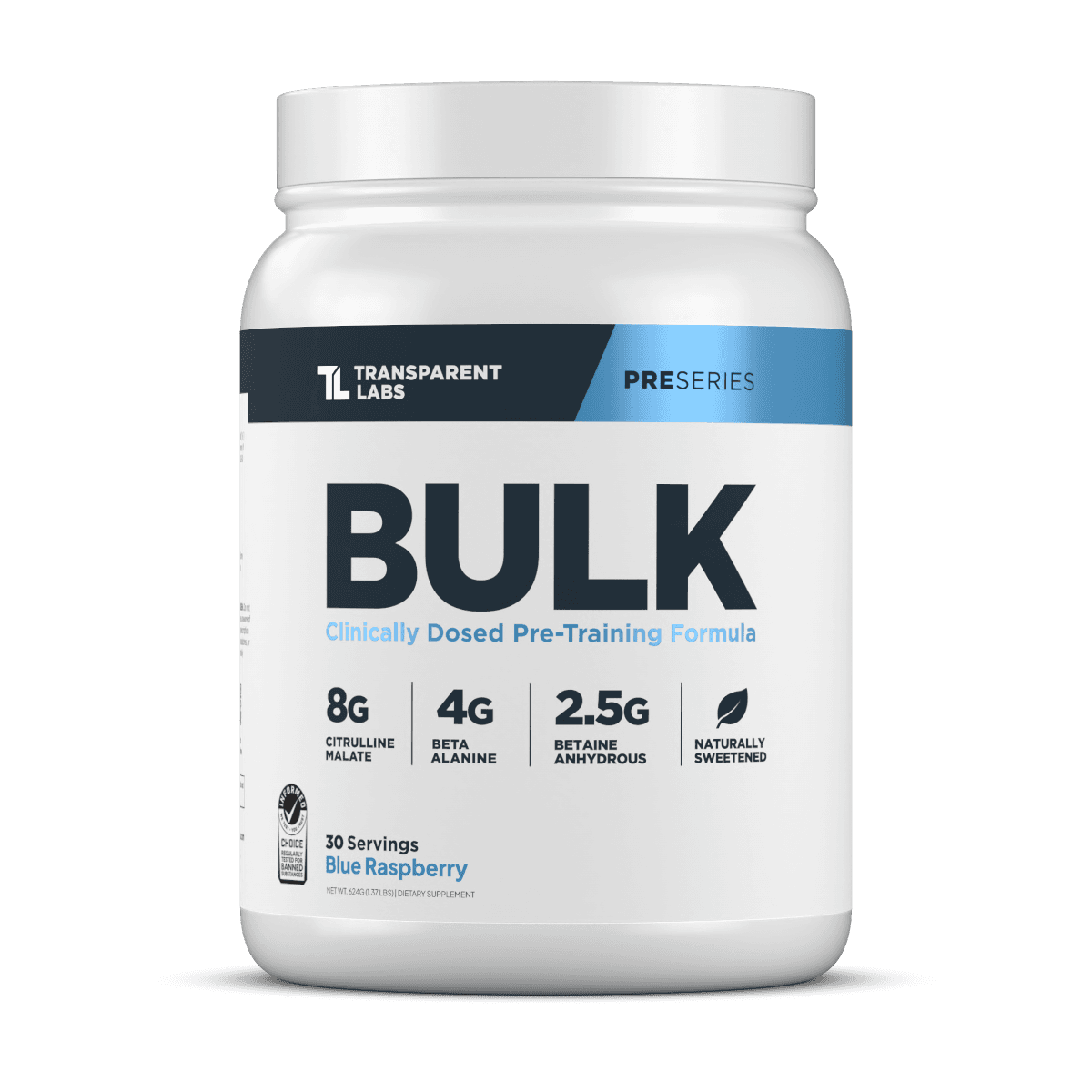
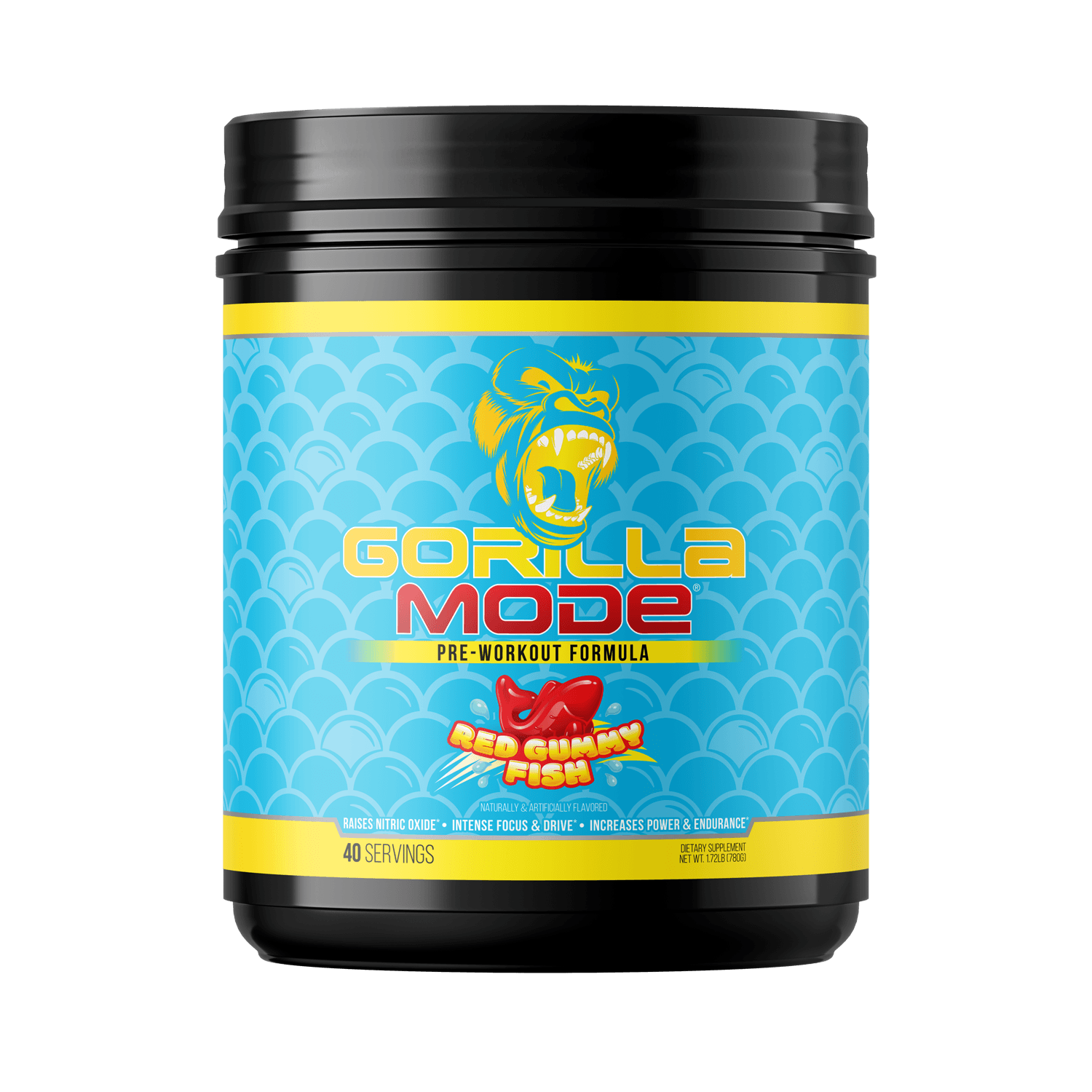
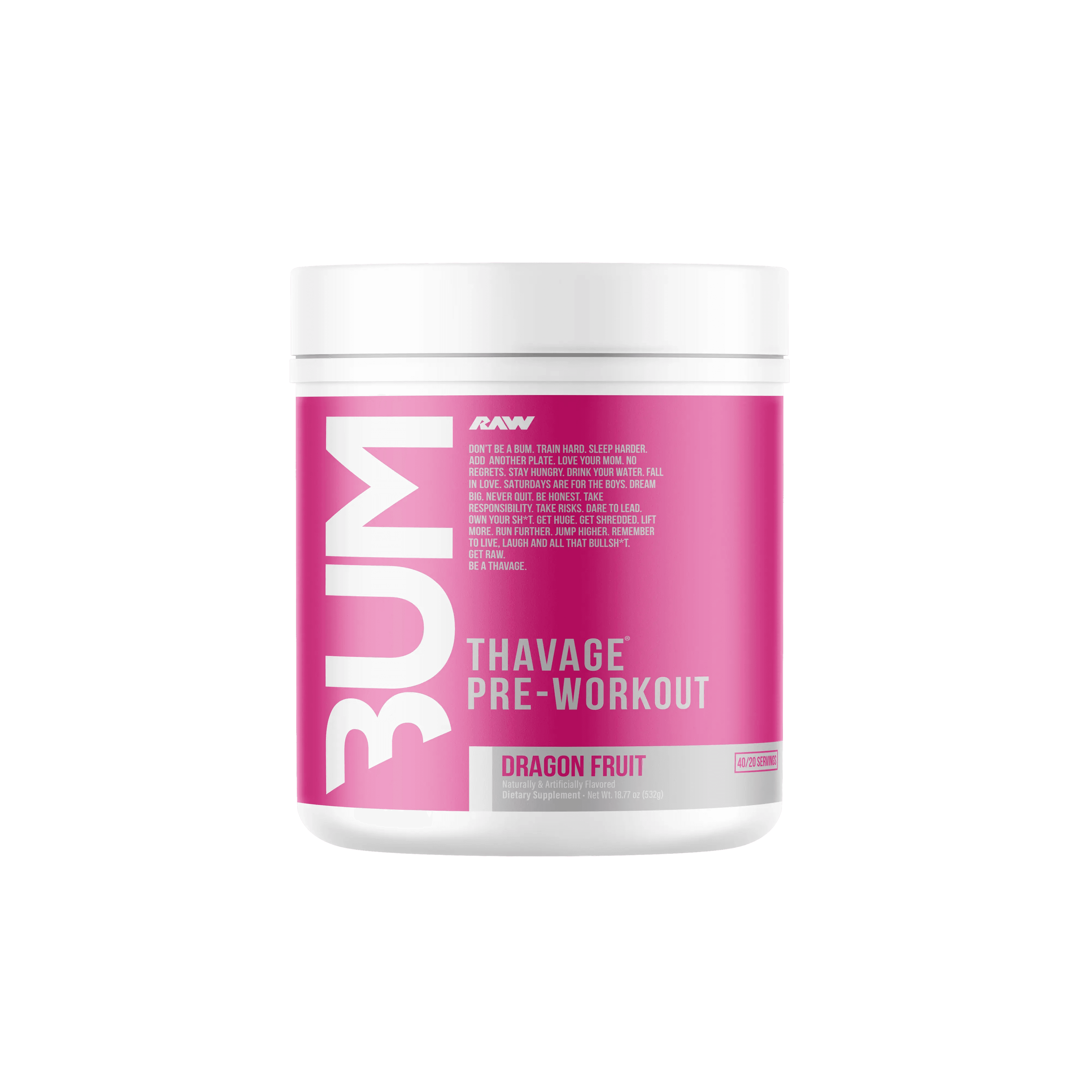
As an Amazon Associate we earn from qualifying purchases.
The Caffeine Cutoff Rule
A simple rule of thumb: stop consuming caffeine at least 8 hours before bed. This includes your pre-workout.
| Bedtime | Latest Pre-Workout (Caffeinated) |
|---|---|
| 9 PM | 1 PM |
| 10 PM | 2 PM |
| 11 PM | 3 PM |
| 12 AM | 4 PM |
If your training schedule falls outside this window, switch to a stim-free formula. Your gains are built during recovery, and poor sleep will sabotage your progress faster than any pre-workout can help it.
Does It Matter If You Take It Too Early?
Yes. If you take your pre-workout 60+ minutes before training, you'll miss the peak window for several ingredients:
- Caffeine will still be active (it lasts hours) but you'll miss the initial surge
- Beta-alanine's peak endurance effects may have already passed
- Citrulline-driven pumps might peak before your heaviest sets
Stick to the 20-30 minute window for best results. If you get stuck in traffic or delayed, you'll still get benefits — just not the optimal peak.
Can You Take Pre-Workout Twice a Day?
We don't recommend it. Even if you train twice daily, taking two scoops of a caffeinated pre-workout means potentially 400-600mg caffeine in a day, which exceeds the FDA's recommended limit of 400mg for most adults.
If you do train twice:
- Use a caffeinated pre-workout for your primary session
- Use a stim-free pre-workout for your second session
- Keep total daily caffeine from all sources under 400mg
Building Tolerance — When to Cycle Off
If you use pre-workout daily, you'll build caffeine tolerance over time. Signs it's time to cycle off:
- Your usual dose doesn't feel as strong as it used to
- You need to increase the dose to feel the same effects
- You feel groggy and useless without it
- You're experiencing afternoon energy crashes
Cycling protocol: Take 1-2 weeks off caffeinated pre-workouts every 8-12 weeks. Use a stim-free option during this period to maintain your training quality while resetting your caffeine sensitivity.
The Bottom Line
- Standard timing: 20-30 minutes before training
- Morning/midday training: Use your full-dose caffeinated pre-workout
- Evening training: Lower caffeine (under 150mg) or stim-free
- Late night training: Stim-free only
- Fasted training: Start with half a scoop, assess tolerance
- Caffeine cutoff: 8 hours before bedtime, minimum
- Cycle off every 8-12 weeks to reset tolerance
Get the timing right, and your pre-workout will deliver noticeably better results. Get it wrong, and you're either wasting the peak effects or sacrificing sleep quality — neither of which helps you reach your goals.
Recommended Pre-Workouts
As an Amazon Associate we earn from qualifying purchases.
Related Articles
Creatine vs Pre-Workout: What's the Difference? (Which Do You Actually Need?)
Creatine and pre-workout do completely different things. One builds muscle over time, one boosts performance acutely. Here's how to decide which — or both — is right for you.
February 22, 2026
Read more →
Pre-Workout on an Empty Stomach: Should You? (The Real Answer)
Taking pre-workout on an empty stomach means faster absorption and stronger effects — but also higher risk of nausea and GI issues. Here's the full breakdown.
February 21, 2026
Read more →