Pre-Workout Side Effects: What's Normal and What's Not
Tingling, jitters, crashes, and more — a guide to common pre-workout side effects, what causes them, how to avoid them, and when you should be concerned.
The Reality of Pre-Workout Side Effects
Pre-workout supplements are generally safe for healthy adults when used as directed. But let's be honest — mixing stimulants, amino acids, and performance enhancers into a single scoop means side effects are possible. The key is knowing which ones are harmless, which are manageable, and which are red flags.
Here's your complete guide to pre-workout side effects.
The Tingle (Beta-Alanine Paresthesia)
What it feels like: A tingling, prickling, or itching sensation, usually on the face, neck, hands, and arms. It typically starts 15-20 minutes after drinking your pre-workout and lasts 30-60 minutes.
What causes it: Beta-alanine activates sensory neurons in the skin. This is called paresthesia, and it's one of the most common — and most misunderstood — pre-workout side effects.
Is it dangerous? No. Paresthesia from beta-alanine is completely harmless. It's not an allergic reaction and doesn't indicate anything wrong with your body. Many experienced lifters actually enjoy it as a signal that their pre-workout is "kicking in."
How to reduce it:
- Split your dose — take half a scoop instead of a full scoop
- Choose products with sustained-release beta-alanine
- Take your pre-workout with food (slows absorption)
- Choose a stim-free or low-beta-alanine formula like Alani Nu (1.6g)
Jitters and Anxiety
What it feels like: Restlessness, shaky hands, racing thoughts, elevated heart rate, and a general feeling of being "wired" rather than focused.
What causes it: Too much caffeine for your tolerance level. This is the most common complaint from pre-workout users, especially beginners who jump straight to high-stim products.
How to avoid it:
- Start low: Begin with half a scoop of any new pre-workout
- Know your tolerance: If 1 cup of coffee makes you jittery, avoid products with 300mg+ caffeine
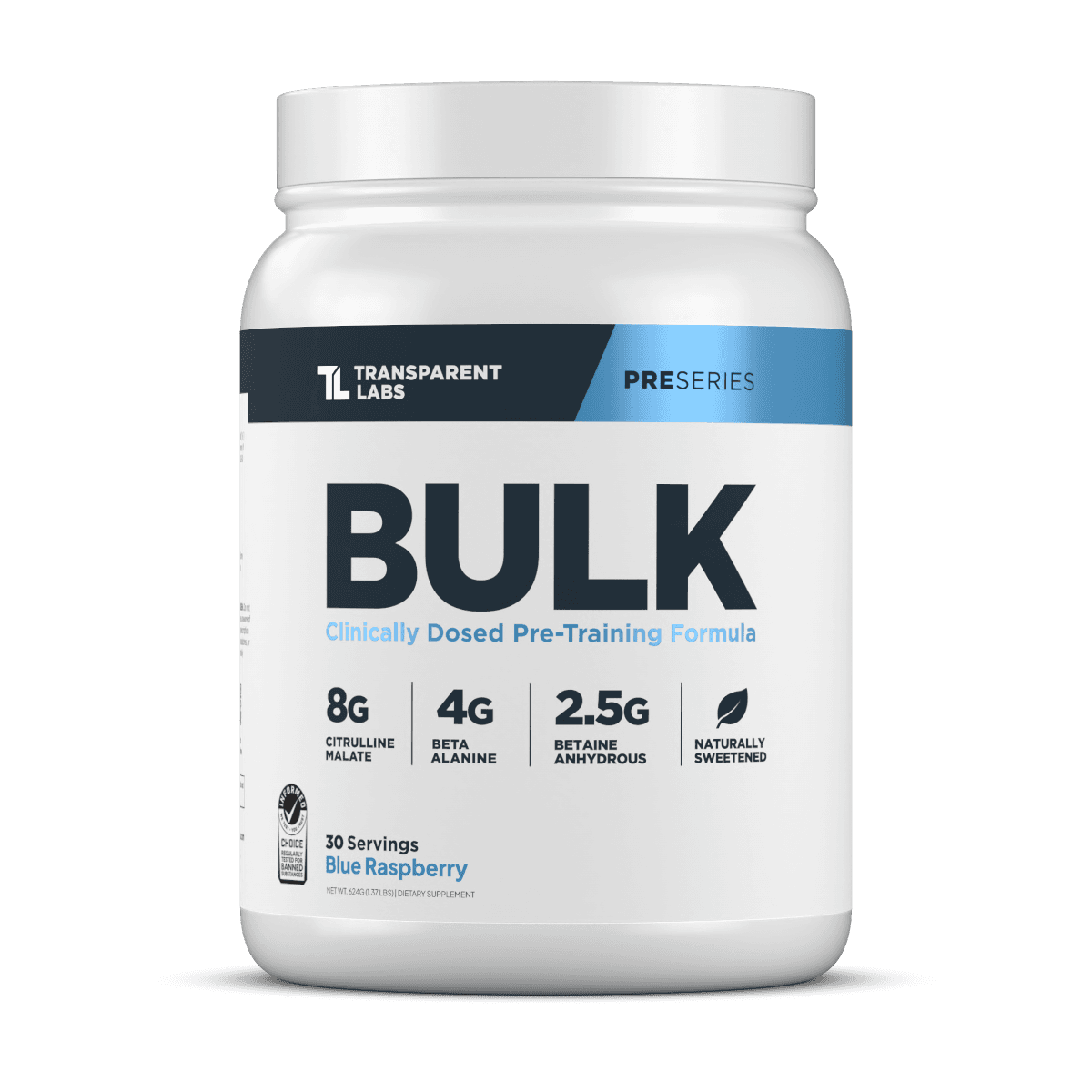
- Look for L-theanine: Products like Alani Nu (200mg theanine) and Transparent Labs BULK (100mg theanine) pair caffeine with theanine, which research shows reduces jitters while maintaining alertness
- Choose moderate options: C4 Original (150mg), ON Gold Standard Pre (175mg), or Alani Nu (200mg) are all beginner-friendly
When to be concerned: If you experience chest pain, severe heart palpitations, difficulty breathing, or extreme anxiety, stop taking the product immediately and consult a healthcare professional.
The Crash
What it feels like: A sudden drop in energy 2-4 hours after taking your pre-workout. You may feel more tired than before you took it, with brain fog and low motivation.
What causes it: Caffeine blocks adenosine receptors, but once it wears off, the accumulated adenosine floods those receptors — causing a rebound fatigue effect. Higher caffeine doses generally produce harder crashes.
How to minimize it:
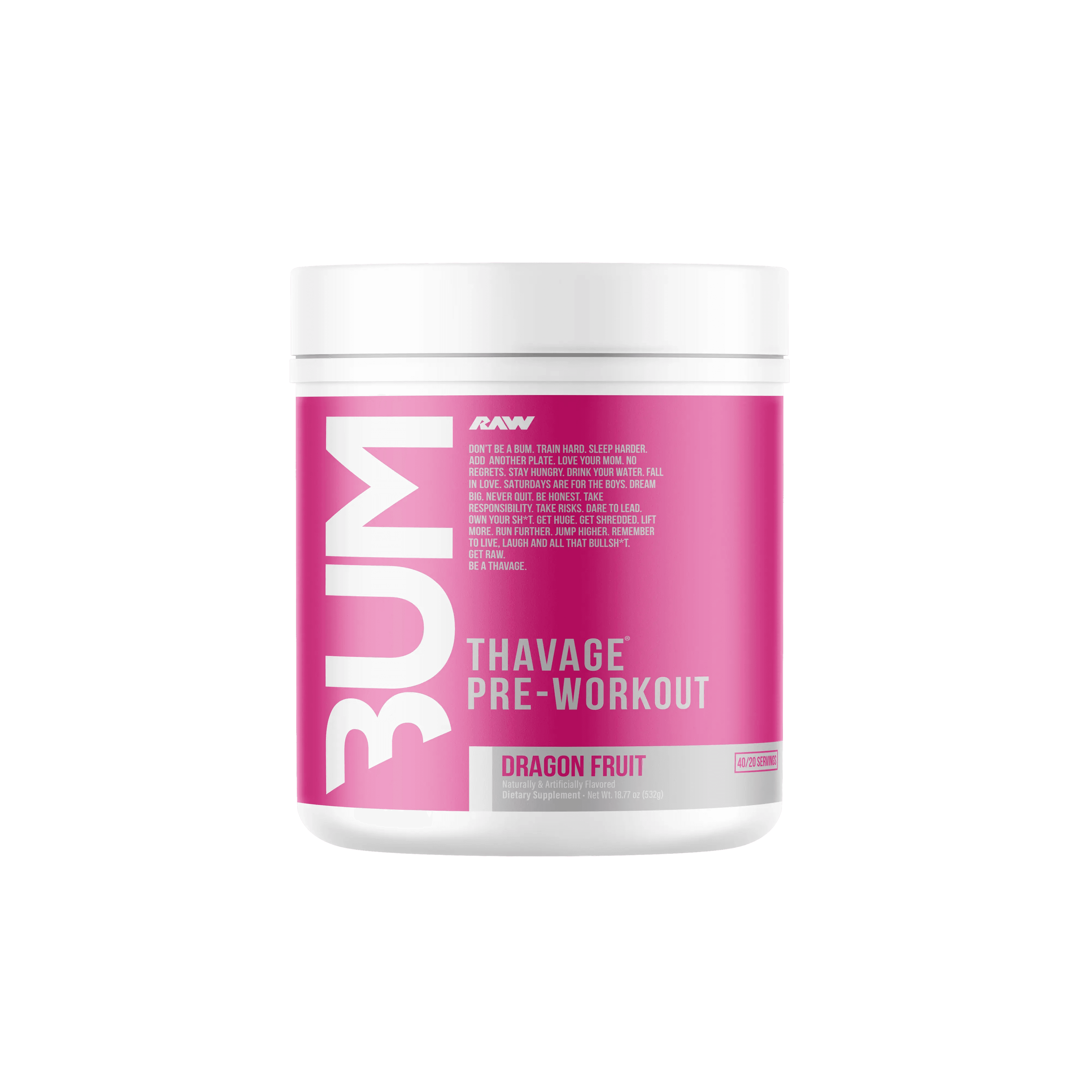
- Choose products with extended-release caffeine (like ZumXR in RYSE Loaded Pre and RAW Thavage)
- Pair caffeine with L-theanine (smooths the energy curve)
- Stay hydrated — dehydration amplifies crash effects
- Don't take pre-workout on an empty stomach
- Use moderate caffeine doses (150-200mg) rather than high-stim options
Top Picks From This Article
As an Amazon Associate we earn from qualifying purchases.
Stomach Issues
What it feels like: Nausea, bloating, stomach cramps, or urgency to use the bathroom during your workout.
What causes it: Several potential culprits:
- Caffeine on an empty stomach stimulates gastric acid production
- Magnesium (in some formulas) can have a laxative effect
- Artificial sweeteners (sucralose, acesulfame-K) can cause GI distress in sensitive individuals
- Large scoop sizes with high ingredient loads can be tough on digestion
How to avoid it:
- Take your pre-workout with a small snack (banana, rice cake, toast)
- Use slightly more water than recommended (10-12oz instead of 8oz)
- Choose products without artificial sweeteners (like Transparent Labs BULK and LEAN)
- Start with half a scoop to test tolerance
Sleep Disruption
What it feels like: Difficulty falling asleep, restless sleep, or waking up frequently after taking a caffeinated pre-workout too late in the day.
What causes it: Caffeine has a half-life of approximately 5-6 hours. This means if you take 300mg at 5 PM, you still have 150mg worth of stimulation at 10-11 PM.
The rule of thumb: Stop caffeine intake at least 6-8 hours before bedtime. If you train in the evening:
- Switch to a stim-free pre-workout like GHOST Pump V2 or Kaged Stim-Free
- Use a low-caffeine option (C4 Original at 150mg) and train at least 6 hours before bed
- Avoid high-stim products (300mg+) after 2 PM
Why this matters: Sleep is when your body recovers and builds muscle. A pre-workout that improves your training by 10% but ruins your sleep is a net negative for your results.
Headaches
What it feels like: A dull or throbbing headache during or after your workout.
What causes it: Usually one of two things:
- Dehydration — Pre-workouts with caffeine are mild diuretics, and intense exercise increases fluid loss. If you're not drinking enough water, headaches are common.
- Vasodilation — Ingredients like citrulline and nitrosigine expand blood vessels. In some people, this rapid change in blood pressure can trigger headaches.
How to fix it:
- Drink at least 16-20oz of water with your pre-workout
- Continue hydrating throughout your workout
- If pump ingredients cause headaches, try a lower dose or a product with less citrulline
Skin Flushing
What it feels like: Red, warm, or flushed skin, particularly on the face and chest.
What causes it: Niacin (Vitamin B3), which is included in some pre-workout formulas. Niacin causes blood vessels near the skin to dilate, creating a flushing sensation.
Is it dangerous? No. Niacin flush is harmless and typically subsides within 30-60 minutes. It's more uncomfortable than dangerous.
How to avoid it: Choose products without niacin, or look for "niacinamide" (a non-flushing form of B3) on the label instead.
When to Stop Taking a Pre-Workout
While most side effects are mild and manageable, stop using your pre-workout and consult a doctor if you experience:
- Chest pain or severe heart palpitations
- Difficulty breathing or shortness of breath
- Severe headaches that don't resolve with hydration
- Allergic reactions (hives, swelling, difficulty swallowing)
- Persistent nausea or vomiting
- Numbness or tingling that doesn't match typical beta-alanine paresthesia
Tips for Minimizing Side Effects
- Always start with half a scoop of any new pre-workout, even if you're experienced
- Read the full label before buying — know what you're putting in your body
- Stay hydrated — drink 16-20oz of water with your pre-workout and sip throughout training
- Don't stack stimulants — avoid drinking coffee or energy drinks on top of a caffeinated pre-workout
- Cycle your pre-workout — take 1-2 weeks off every 8-12 weeks to reset caffeine tolerance
- Time it right — take your pre-workout 20-30 minutes before training, and avoid caffeine within 6-8 hours of bedtime
- Listen to your body — if a product consistently causes unpleasant side effects, switch to something else
The Bottom Line
Most pre-workout side effects are mild, temporary, and easily managed with proper dosing and timing. The tingle from beta-alanine is harmless. Jitters from caffeine can be avoided by choosing the right dose. Stomach issues usually resolve by taking your pre-workout with food.
The key is starting conservatively, staying hydrated, and paying attention to how your body responds. Check out our beginner's guide for more tips on getting started, or browse our product reviews filtered by stimulant level to find a pre-workout that matches your tolerance.
Recommended Pre-Workouts
As an Amazon Associate we earn from qualifying purchases.
Related Articles
Creatine vs Pre-Workout: What's the Difference? (Which Do You Actually Need?)
Creatine and pre-workout do completely different things. One builds muscle over time, one boosts performance acutely. Here's how to decide which — or both — is right for you.
February 22, 2026
Read more →
Pre-Workout on an Empty Stomach: Should You? (The Real Answer)
Taking pre-workout on an empty stomach means faster absorption and stronger effects — but also higher risk of nausea and GI issues. Here's the full breakdown.
February 21, 2026
Read more →