How Long Does Pre-Workout Last? (Complete Timing Guide for 2026)
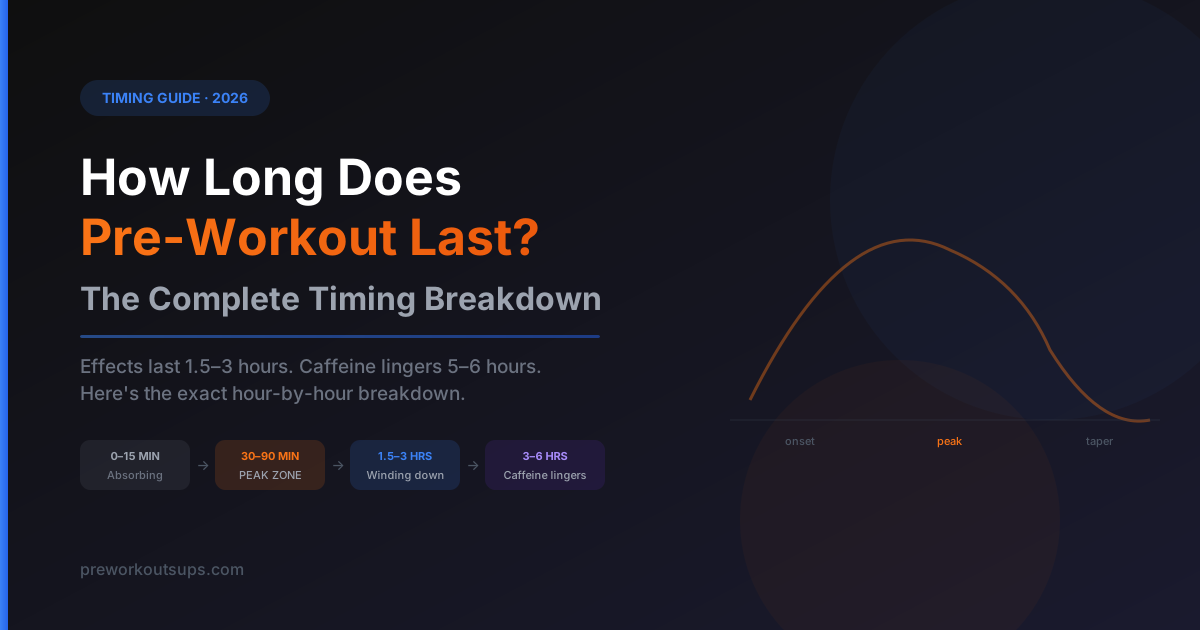
Pre-workout effects typically last 1.5–3 hours, but caffeine can linger 5–6 hours. Here's exactly what happens hour by hour — and how to time it perfectly.
You chugged your pre-workout and now you're wondering: when does this kick in, how long will it last, and will it ruin my sleep?
The short answer: most pre-workout effects last 1.5–3 hours, but caffeine has a half-life of 5–6 hours — meaning half of it is still in your system hours after you've finished training. This guide breaks it all down by ingredient, so you know exactly what to expect.
The Timeline: What Happens Hour by Hour
0–15 Minutes: Nothing Obvious Yet
You take your pre-workout, mix it, drink it. For the first 10–15 minutes, most people feel nothing. This is normal — most ingredients are still being absorbed through your GI tract.
Some people report a slight energy lift from caffeine within 10 minutes if they take it on an empty stomach, but most absorption begins after this point.
15–30 Minutes: The Onset
This is when things start to happen:
- Caffeine begins entering your bloodstream and crossing the blood-brain barrier
- Beta-alanine (if present) triggers paresthesia — the characteristic tingling sensation
- L-citrulline starts converting to L-arginine and then to nitric oxide in your blood vessels
- Many people feel a shift in alertness, slight warmth, and heightened focus
The speed of onset varies by:
- Empty vs. full stomach: Empty = faster onset (15–20 min), full = slower (30–45 min)
- Caffeine sensitivity: High sensitivity = faster, more noticeable onset
- Formula: Liquid shots absorb faster than powder, which absorbs faster than capsules
30–90 Minutes: Peak Performance Window
This is the sweet spot — where most people should be training.
Peak caffeine effect in most people occurs 45–60 minutes after ingestion. This aligns with caffeine reaching its maximum plasma concentration.
At peak, you'll experience:
- Maximum energy and alertness
- Highest focus and mind-muscle connection
- Strongest pump (citrulline/arginine at max effect)
- Best power output
- Reduced perceived exertion (things feel easier at the same intensity)
This is your training window. If you take pre-workout 30 minutes before training and train for 60-90 minutes, the entire workout falls in this peak window.
90 Minutes–3 Hours: Gradual Decline
After peak, effects begin tapering. The energy curve is smoother if your formula includes:
- L-theanine (reduces the caffeine crash)
- Extended-release caffeine (like ZumXR or Infinergy dicaffeine malate)
- Adaptogens like ashwagandha
Basic stimulant-only formulas often have a sharper drop-off. You may notice:
- Energy declining but still above baseline
- Pump beginning to fade (nitric oxide effects are shorter-lived than caffeine)
- Focus tapering
Most people feel "back to normal" within 2–3 hours of ingestion.
3–6 Hours: Caffeine Half-Life
Here's where sleep gets complicated.
Caffeine's half-life is approximately 5–6 hours in most adults. This means:
- If you take 200mg at 4pm, you still have ~100mg in your system at 9–10pm
- If you take 300mg at 6pm, you still have ~150mg at 11pm–midnight
This residual caffeine doesn't make you feel "caffeinated" — but it suppresses adenosine, the neurotransmitter that drives sleep pressure. The result: you fall asleep slower, sleep lighter, and get less restorative deep sleep — even if you feel fine.
This is why pre-workout timing relative to bedtime matters more than it feels like it does.
How Long Do Specific Ingredients Last?
Not all pre-workout ingredients have the same duration:
| Ingredient | Onset | Peak | Duration |
|---|---|---|---|
| Caffeine | 15–45 min | 45–60 min | 4–6 hrs (half-life) |
| L-Citrulline | 30–60 min | 60–90 min | 2–3 hrs |
| Beta-Alanine (tingle) | 10–20 min | 20–40 min | 60–90 min |
| L-Theanine | 30–45 min | 60 min | 3–5 hrs |
| Creatine | Not acute — loads over days/weeks | — | Sustained with daily use |
| Nitric Oxide (pump) | 30–60 min | 60–90 min | 1.5–2.5 hrs |
| Tyrosine / NALT | 30–60 min | 60 min | 2–3 hrs |
| DMAE | 30–60 min | 60 min | 3–4 hrs |
The key insight: pump and performance benefits are shorter-lived than caffeine. This is why experienced lifters time their pre-workout to hit the gym at peak effect — not to still be peaking when they leave.
How to Time Your Pre-Workout Perfectly
Standard rule: Take it 30–45 minutes before your first working set.
Not before you drive to the gym, not before you change — before you're actually lifting. If you have a 20-minute commute and a 10-minute warmup, take it 30 minutes before you leave the house.
If you train after work (5–7pm): Take it when you're wrapping up work, not when you get to the gym.
If you train early morning: Empty stomach? You'll feel it in 15–20 minutes. Take it 20 minutes before your first set rather than 30–45.
If you train near bedtime: See the next section.
Will Pre-Workout Mess Up My Sleep?
This depends entirely on when you take it and how much caffeine it contains.
General guidelines:
- Caffeine cutoff for most people: 6 hours before bedtime
- If you're caffeine-sensitive: 8+ hours before bedtime
- High caffeine formulas (300mg+): Should be taken 8–10 hours before bedtime
Practical examples:
- Bedtime 10pm → last caffeine by 4pm (standard), 2pm (sensitive)
- Bedtime 11pm → last caffeine by 5pm (standard), 3pm (sensitive)
- Late workouts (7–8pm): Choose a stim-free formula or half-dose
Signs your pre-workout is disrupting sleep:
- You feel tired but can't fall asleep
- You wake up 2–3 hours after falling asleep
- You're sleeping "enough" hours but still feel tired
- You have vivid dreams or restless legs
If you experience any of these, your caffeine cutoff time is too late for your sensitivity level.
Top Picks From This Article
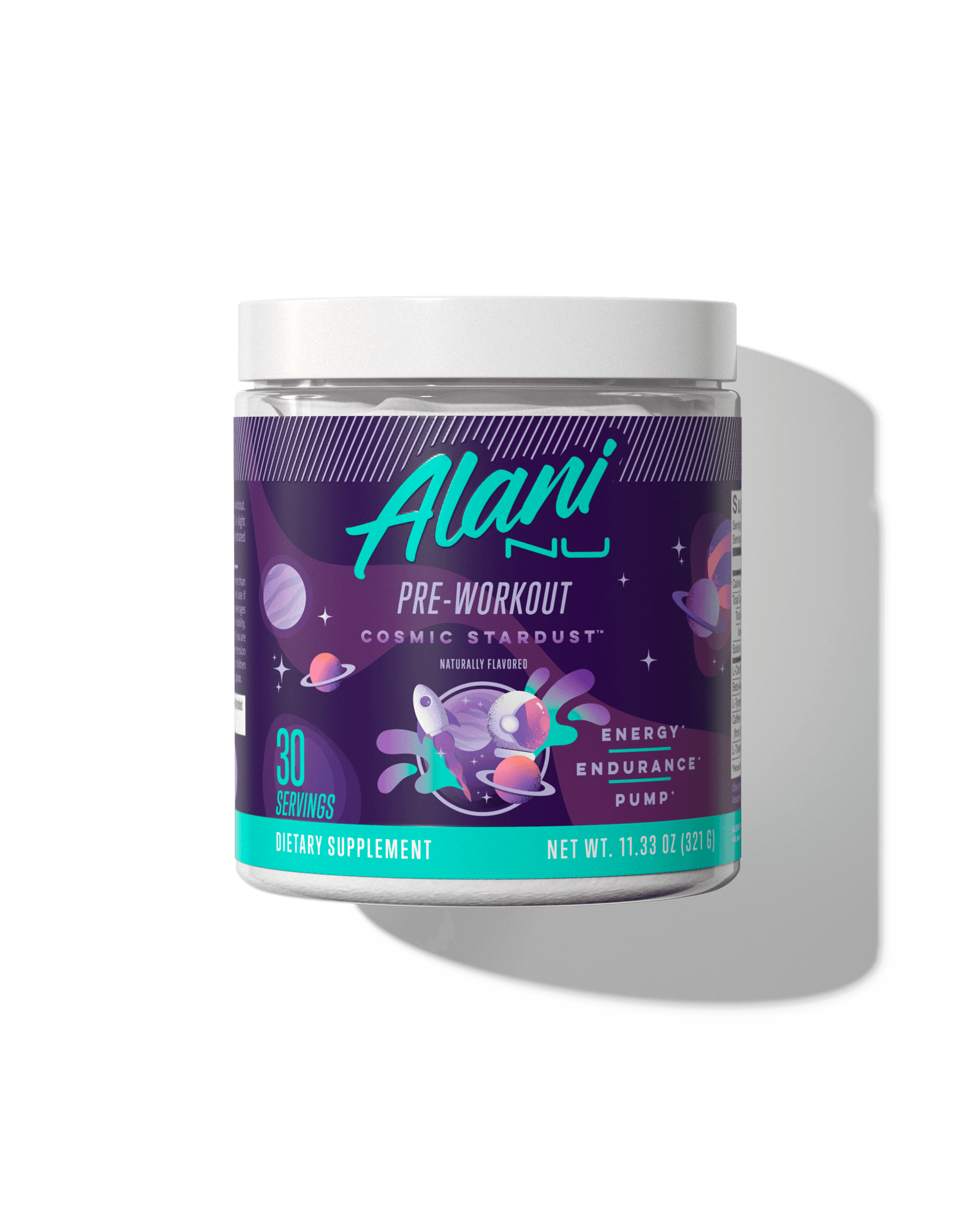
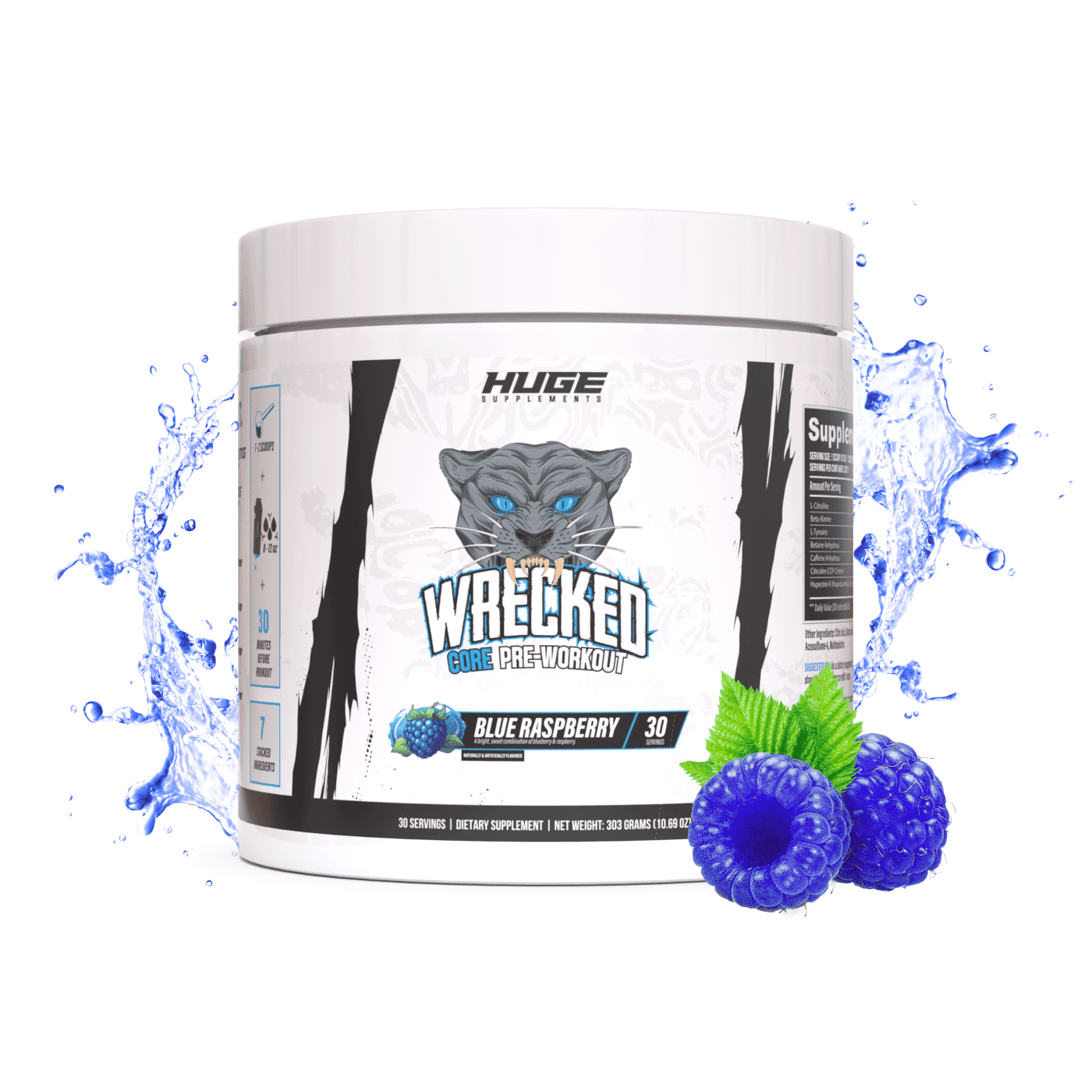
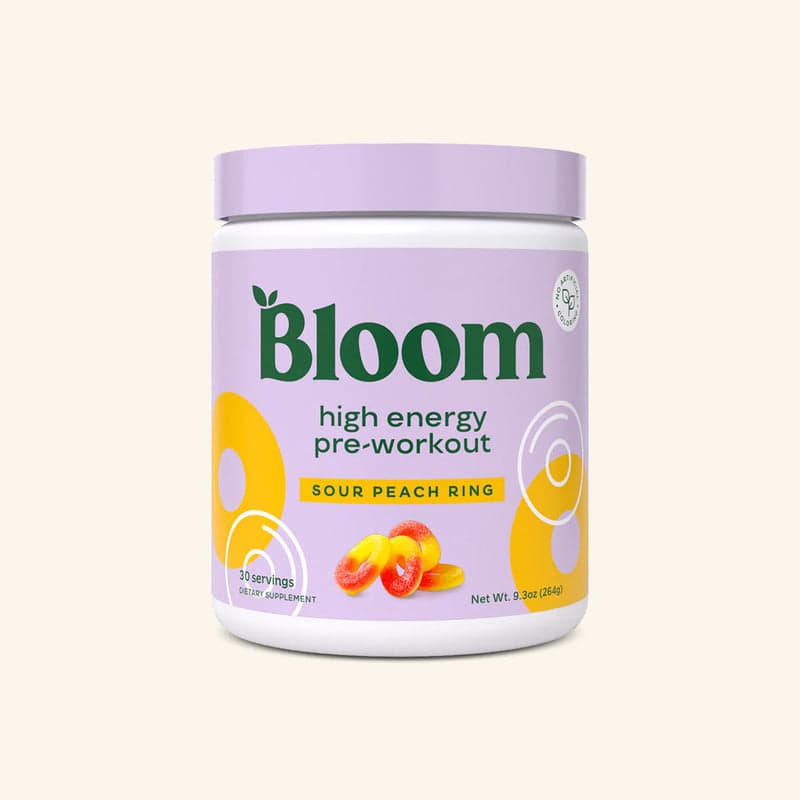
As an Amazon Associate we earn from qualifying purchases.
Stim-Free Pre-Workout: The Late-Night Solution
If you regularly train in the evenings and have sleep issues, stim-free pre-workout is the answer — not caffeine tolerance.
Good stim-free options last about 1.5–2 hours and include only pump/performance ingredients with zero caffeine:
- [Gorilla Mode Nitric](/products/gorilla-mode-nitric) — 10g citrulline, VASO6, agmatine. The most complete stim-free formula.
- [Transparent Labs Stim-Free](/products/transparent-labs-stim-free) — Clinical doses, full transparency, zero caffeine.
- [GHOST Pump V2](/products/ghost-pump-v2) — Best-tasting stim-free option with Nitrosigine.
These give you the pump, blood flow, and performance benefits of pre-workout without touching your sleep architecture.
Does Pre-Workout Tolerance Change Duration?
Yes — caffeine tolerance compresses the effective window.
When you're new to caffeine, 150mg feels strong and lasts 3+ hours. After months of daily use at 300mg+, the same dose may barely register and the "peak" feels shorter.
This is because:
- Caffeine tolerance upregulates adenosine receptors (your brain compensates)
- The blocking effect becomes less complete
- Peak plasma concentration is the same, but subjective effect is blunted
The solution: Cycling off caffeine for 1–2 weeks every few months resets your sensitivity. Many athletes notice dramatically improved pre-workout response after a break.
Frequently Asked Questions
How long does the beta-alanine tingle last?
The characteristic tingling sensation (paresthesia) from beta-alanine typically lasts 20–60 minutes after ingestion. It peaks around 20–30 minutes and gradually fades. It does not last the full duration of the caffeine effect.
Can pre-workout stop working?
Yes — primarily due to caffeine tolerance. The pump and performance ingredients (citrulline, creatine, betaine) don't build tolerance. But caffeine tolerance builds relatively quickly with daily use, making the stimulant effect feel weaker over time.
Is it safe to take pre-workout every day?
For most people, moderate daily use is fine. The main concern is caffeine dependence and sleep disruption. Consider using a lower-caffeine formula on non-training days, or cycling off completely every 4–8 weeks.
Why do I feel pre-workout so strongly some days and barely at all others?
The biggest variables are: stomach contents (empty = stronger), hydration status, sleep quality, and time since last caffeine. If you had coffee that morning, your receptors are already partly occupied and your pre-workout will feel weaker.
Should I take pre-workout before cardio?
Yes, with caveats. Caffeine does improve endurance performance — it reduces perceived exertion and increases fat oxidation. However, for steady-state cardio, you often don't need as large a dose as for weight training. A half-dose, or a lower-caffeine formula, works well for cardio.
Recommended Pre-Workouts
As an Amazon Associate we earn from qualifying purchases.
Related Articles
Creatine vs Pre-Workout: What's the Difference? (Which Do You Actually Need?)
Creatine and pre-workout do completely different things. One builds muscle over time, one boosts performance acutely. Here's how to decide which — or both — is right for you.
February 22, 2026
Read more →
Pre-Workout on an Empty Stomach: Should You? (The Real Answer)
Taking pre-workout on an empty stomach means faster absorption and stronger effects — but also higher risk of nausea and GI issues. Here's the full breakdown.
February 21, 2026
Read more →