The 7 Best Pre-Workout Ingredients Backed by Science
A deep dive into the most effective pre-workout ingredients according to research. Learn what citrulline, beta-alanine, caffeine, creatine, and more actually do — and the clinical doses that work.

Why Ingredients Matter More Than Brand Names
The supplement industry spends billions on marketing, but at the end of the day, a pre-workout is only as good as what's inside the tub. Understanding key ingredients — and the doses that actually work — is the single best way to evaluate any pre-workout supplement.
Here are the 7 most effective pre-workout ingredients according to peer-reviewed research, along with the clinical doses you should look for on the label.
1. L-Citrulline (or Citrulline Malate)
What it does: L-Citrulline is an amino acid that converts to L-arginine in the kidneys, which then boosts nitric oxide (NO) production. Higher NO levels mean wider blood vessels, better blood flow, and those satisfying muscle pumps during training.
What the research says: Multiple studies show that citrulline supplementation improves exercise performance, reduces fatigue, and enhances blood flow. A 2010 study in the Journal of Strength and Conditioning Research found that citrulline malate significantly increased the number of reps performed during resistance exercise.
Clinical dose: 6-8g of L-citrulline, or 8-10g of citrulline malate (which is roughly 56% citrulline by weight).
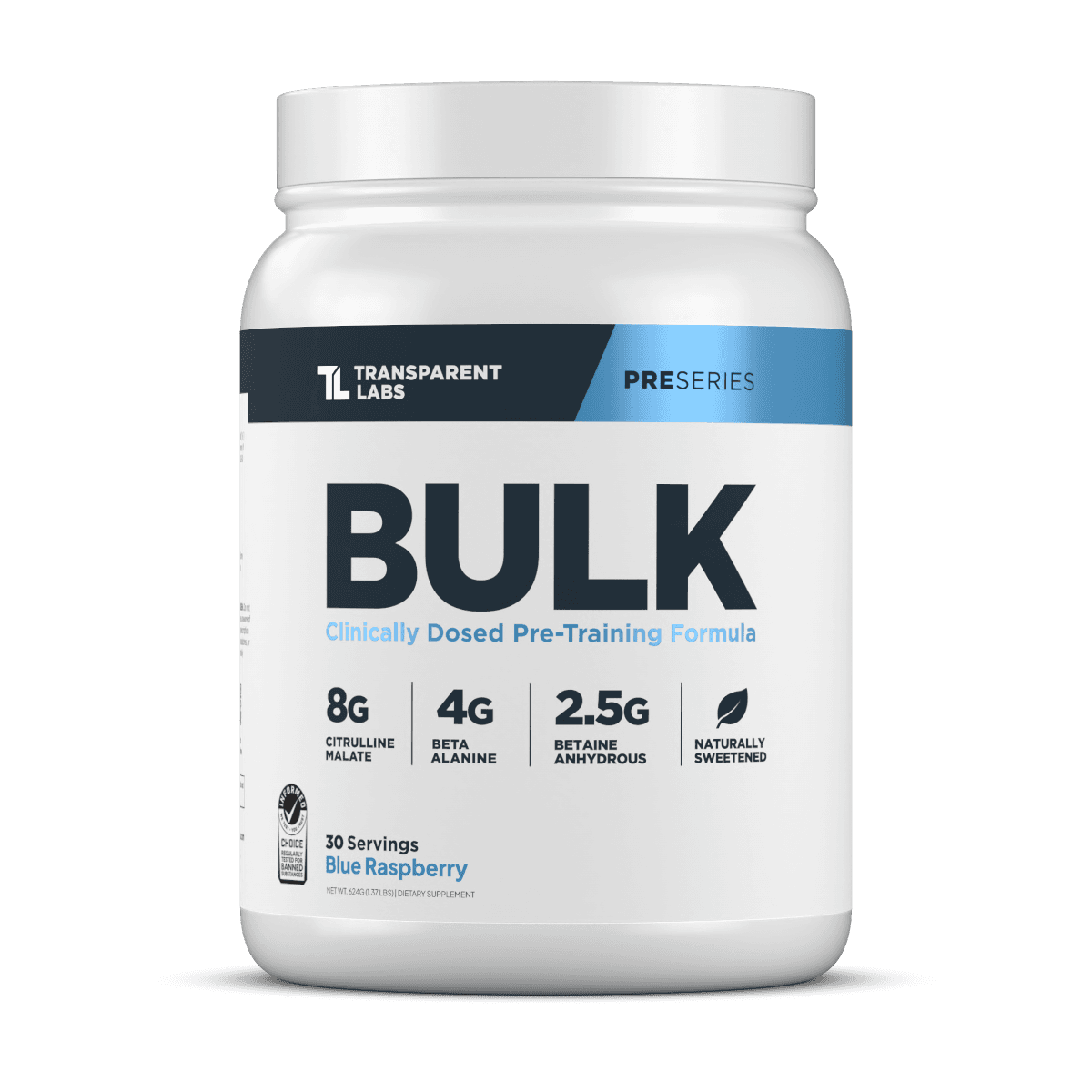
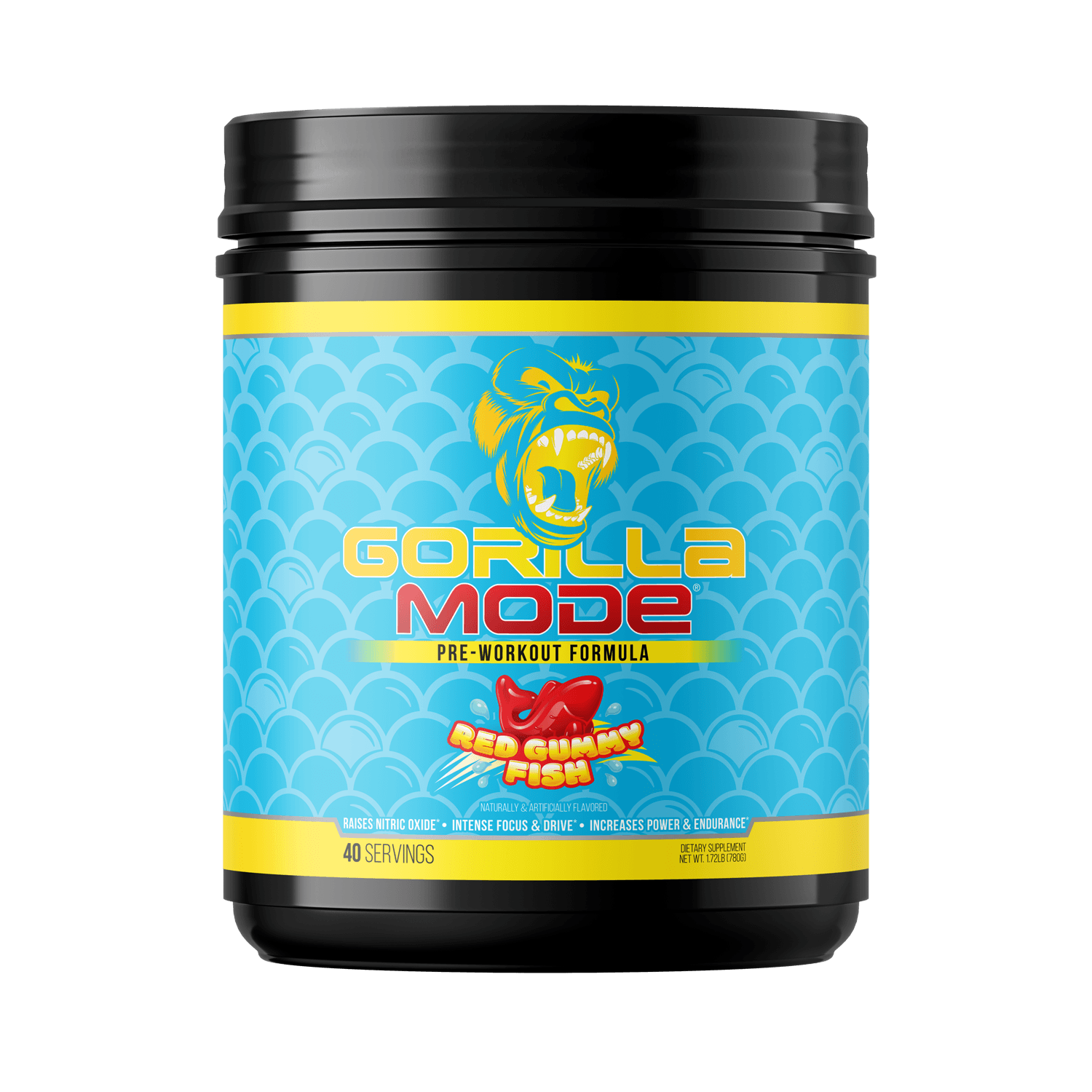
What to watch for: Many pre-workouts use only 3-4g, which is below the effective dose. Products like Gorilla Mode (9g) and Transparent Labs BULK (8g citrulline malate) hit the clinical range.
2. Beta-Alanine
What it does: Beta-alanine combines with histidine in your muscles to form carnosine, which buffers hydrogen ions during high-intensity exercise. In simple terms, it helps delay the burning sensation that forces you to stop a set.
What the research says: A meta-analysis published in Amino Acids found that beta-alanine supplementation improved exercise performance, particularly in activities lasting 1-4 minutes — which perfectly covers most working sets in the gym.
Clinical dose: 3.2-6.4g per day. The endurance benefits come from consistent daily supplementation (it takes 2-4 weeks to saturate muscle carnosine levels), not just pre-workout timing.
The tingle: Beta-alanine causes a harmless tingling sensation called paresthesia, usually in the face and hands. It's not dangerous — just a side effect of nerve activation. Some people love it, others find it distracting.
3. Caffeine Anhydrous
What it does: The world's most popular stimulant. Caffeine blocks adenosine receptors in the brain, reducing perceived fatigue and increasing alertness, focus, and motivation. It also directly enhances muscular strength and endurance.
What the research says: Caffeine is arguably the most well-studied ergogenic aid in sports science. Research consistently shows improvements in strength, power, endurance, and reaction time at doses of 3-6mg per kilogram of body weight.
Effective dose: 150-300mg for most people. This depends heavily on individual tolerance, body weight, and habitual caffeine consumption.
- Beginners: 100-150mg (like C4 Original or Alani Nu)
- Intermediate: 200-250mg (like Transparent Labs BULK or GHOST Legend)
- Advanced: 300-400mg (like Pre-Kaged Elite or RYSE Loaded Pre)
Important: Caffeine has diminishing returns with tolerance. Cycling off periodically (1-2 weeks every 8-12 weeks) helps maintain sensitivity.
Top Picks From This Article
As an Amazon Associate we earn from qualifying purchases.
4. Creatine Monohydrate
What it does: Creatine is the most researched supplement in sports nutrition history. It increases phosphocreatine stores in your muscles, providing rapid energy during high-intensity, short-duration efforts like heavy lifts and sprints.
What the research says: Over 500 peer-reviewed studies support creatine's effectiveness for increasing strength, power, and lean muscle mass. The International Society of Sports Nutrition calls it "the most effective ergogenic nutritional supplement currently available."
Clinical dose: 3-5g daily. Many pre-workouts include 1.5-2.5g, which contributes to your daily intake but isn't a full dose. You may want to supplement separately to hit the full 5g.
Products that include it: Beyond Raw LIT (1.5g), ON Gold Standard Pre (3g), and Gorilla Mode (2.5g) all include creatine in their formulas.
5. L-Tyrosine
What it does: L-Tyrosine is an amino acid precursor to dopamine, norepinephrine, and epinephrine — neurotransmitters crucial for motivation, focus, and stress response. It's particularly effective at maintaining cognitive performance under stress (like an intense workout).
What the research says: Research shows tyrosine supplementation preserves cognitive function during physically demanding tasks and stressful conditions. A study in the Journal of Psychiatry and Neuroscience found it improved cognitive flexibility under demanding conditions.
Clinical dose: 1-2g of L-Tyrosine, or 250-500mg of N-Acetyl-L-Tyrosine (NALT), though NALT has lower bioavailability.
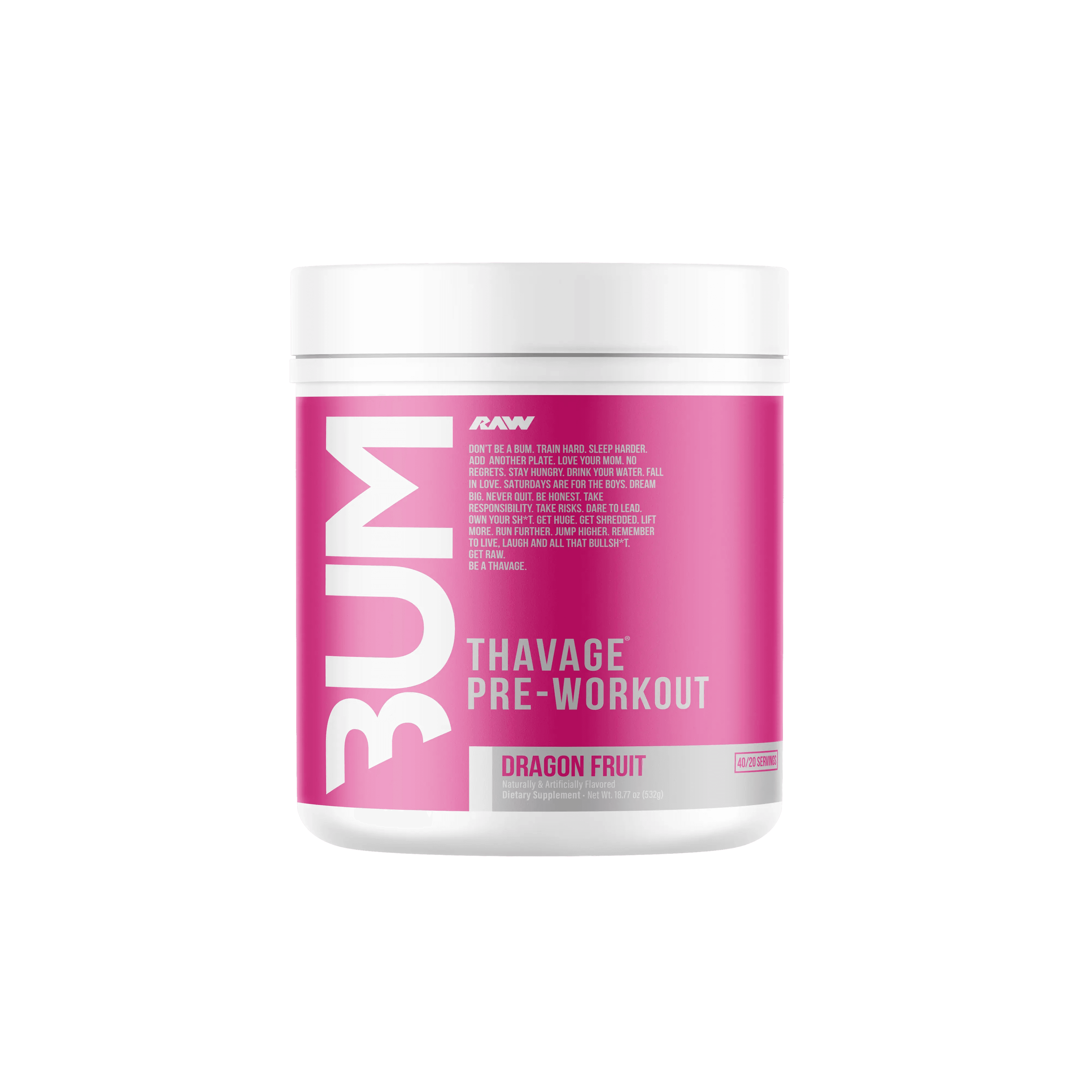
Notable products: Gorilla Mode includes 1.5g L-Tyrosine, and RAW Thavage includes 1.5g — both at effective doses.
6. Alpha-GPC
What it does: Alpha-GPC (alpha-glycerophosphocholine) is a choline compound that crosses the blood-brain barrier efficiently, supporting acetylcholine production. Acetylcholine is the neurotransmitter responsible for muscle contraction and cognitive function — making Alpha-GPC a dual-purpose nootropic and performance ingredient.
What the research says: A study published in the Journal of the International Society of Sports Nutrition found that Alpha-GPC supplementation increased power output. Other research supports its role in enhancing focus and the mind-muscle connection.
Clinical dose: 300-600mg per serving.
Notable products: GHOST Legend V3 (300mg), Bucked Up (200mg AlphaSize), and RAW Thavage (200mg) all include Alpha-GPC.
7. Nitrosigine (Bonded Arginine Silicate)
What it does: Nitrosigine is a patented complex of arginine and silicon that boosts nitric oxide levels more effectively than standard arginine. Unlike regular arginine (which is poorly absorbed), Nitrosigine is clinically shown to increase blood flow and pumps for up to 6 hours.
What the research says: Multiple clinical studies show Nitrosigine increases arginine blood levels within 30 minutes, with effects lasting up to 6 hours. Research published in Nutrients showed it significantly improved blood flow markers compared to placebo.
Clinical dose: 1.5g per serving.
Notable products: GHOST Pump V2 (1.5g), Beyond Raw LIT (1.5g), and RAW Thavage (1.5g) all include the full clinical dose.
How to Read a Pre-Workout Label
Now that you know the key ingredients, here's how to evaluate any pre-workout:
- Check for proprietary blends — If you see "Proprietary Blend" followed by a total weight but no individual doses, you can't verify whether anything is clinically dosed. Avoid these when possible.
- Compare doses to clinical ranges — Use the doses listed above as your benchmark. A pre-workout with 3g citrulline and 1g beta-alanine may list the right ingredients but at ineffective amounts.
- Ignore the "other ingredients" hype — Ingredients like BioPerine (5mg), AstraGin (25mg), and various fruit extracts are nice additions but shouldn't be the reason you choose a product.
- Calculate cost per effective serving — A $30 pre-workout with underdosed ingredients is worse value than a $50 one with clinical doses.
The Bottom Line
The best pre-workout supplements share a common trait: they include research-backed ingredients at clinical doses with full label transparency. When evaluating any pre-workout, ignore the marketing and focus on these 7 ingredients. If a product nails the doses on even 3-4 of them, it's likely a solid formula.
Check out our product reviews to see how popular pre-workouts stack up on ingredient quality, or use our comparison tool to evaluate formulas side by side.
Recommended Pre-Workouts
As an Amazon Associate we earn from qualifying purchases.
Related Articles
Creatine vs Pre-Workout: What's the Difference? (Which Do You Actually Need?)
Creatine and pre-workout do completely different things. One builds muscle over time, one boosts performance acutely. Here's how to decide which — or both — is right for you.
February 22, 2026
Read more →
Pre-Workout on an Empty Stomach: Should You? (The Real Answer)
Taking pre-workout on an empty stomach means faster absorption and stronger effects — but also higher risk of nausea and GI issues. Here's the full breakdown.
February 21, 2026
Read more →